Flowerroom: The Handwritten Font That Brings Warmth to Digital Design
Picture this: you're designing a wedding invitation suite, a boutique branding package, or a heartfelt social media campaign. You want it to feel personal—like a handwritten note, not a mass-produced template. But finding a font that balances authenticity with readability, charm with professionalism? That's where Flowerroom steps in. Created by the talented team at Area Type, this handwritten font has quietly become a favorite among designers who crave personality without sacrificing clarity. Let's explore what makes Flowerroom stand out, where it shines, and how you can decide if it's the right fit for your next project.
What Exactly Is Flowerroom?
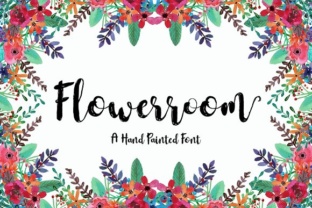
Flowerroom is a handwritten display font designed and released by Area Type, a type foundry known for crafting expressive, character-driven typefaces. Unlike mechanical, uniform scripts, Flowerroom captures the natural rhythm of hand lettering—slight variations in stroke weight, playful flourishes, and an overall organic feel. It's the kind of font that doesn't just sit on the page; it speaks.
What sets Flowerroom apart from the crowded field of handwritten fonts is its deliberate warmth. It doesn't try to be perfect. Instead, it embraces the small imperfections that make handwriting feel human. The letterforms are rounded without being childish, flowing without being fussy. Whether you're using it for a headline, a logo, or a short block of text, Flowerroom brings a gentle, approachable energy to the design.
The Design Philosophy Behind Flowerroom
Area Type didn't set out to create just another script font. With Flowerroom, they focused on authenticity. Every character was drawn with an understanding of how natural handwriting behaves—how letters connect, where pressure varies, and how spacing breathes. The result is a typeface that feels less like a digital tool and more like an extension of the designer's hand.
The font includes a full set of uppercase and lowercase letters, numerals, punctuation, and multilingual support, making it suitable for a global audience. But the real magic lies in the details. Look closely, and you'll notice subtle swashes, gentle curves, and a consistent but not rigid x-height. These details ensure that Flowerroom remains legible even at smaller sizes, a common pain point for many handwritten fonts.
Who Benefits Most from Using Flowerroom?
The beauty of Flowerroom is its versatility, but it resonates particularly well with certain groups. Let's break down who might find it most useful.
Creative Professionals and Designers
Graphic designers, brand identity specialists, and illustrators often search for typefaces that add a layer of storytelling. Flowerroom gives them a voice that feels personal. It works beautifully in branding for lifestyle businesses, cafes, florists, bakeries, and artisan product lines. If you're designing a logo that needs to say "handcrafted with care," this font does the heavy lifting.
Small Business Owners and Entrepreneurs
For business owners who manage their own marketing, Flowerroom offers an accessible way to elevate visual content. Social media graphics, product labels, website headers, and promotional flyers all benefit from the font's friendly aesthetic. It helps small brands look polished without appearing corporate or cold.
Event Planners and Wedding Professionals
Invitations, place cards, signage, and thank-you notes are the heart of event design. Flowerroom brings a romantic, intimate quality to these materials. It pairs exceptionally well with minimalist layouts, botanical illustrations, and soft color palettes. Many wedding professionals have adopted it as a go-to for couples who want their stationery to feel personal and timeless.
Content Creators and Social Media Managers
In a digital landscape flooded with polished stock imagery, authentic touches stand out. Flowerroom works well for Instagram quotes, YouTube thumbnails, blog headers, and email newsletter titles. It adds a human element that encourages connection and engagement.
Real-World Applications and Scenarios
To truly understand Flowerroom's value, let's look at a few concrete examples of where it excels.
- Boutique Branding: A small soap company uses Flowerroom for its product labels, pairing it with a clean sans-serif for ingredient lists. The font communicates natural ingredients and artisanal craftsmanship without saying a word.
- Wedding Stationery: An invitation suite features Flowerroom for the couple's names and main event details. The font's gentle curves complement botanical watercolor illustrations, creating a cohesive, romantic look.
- Cafe Menu Boards: A local coffee shop prints its chalkboard-style menu using Flowerroom. The handwritten feel matches the cozy, casual vibe of the space, making customers feel welcome.
- Digital Course Materials: An online educator uses Flowerroom for course titles and section headers. It softens the often-sterile feel of digital learning platforms, making the experience feel more personal and encouraging.
- Social Media Campaigns: A lifestyle blogger incorporates Flowerroom into quote cards and promotional graphics. The font's warmth increases shareability because it feels genuine, not overly designed.
Strengths That Make Flowerroom a Standout Choice
Every typeface has its strengths, and Flowerroom has several that deserve attention.
- Legibility at Various Sizes: Many handwritten fonts become messy when scaled down. Flowerroom maintains clarity, making it usable for both large headlines and smaller subtext.
- Natural Flow and Rhythm: The letter connections feel organic, not forced. This makes longer phrases or short paragraphs readable and pleasant to the eye.
- Versatile Pairing Potential: Flowerroom works well with a wide range of complementary fonts—clean sans-serifs, elegant serifs, and even other script styles. This flexibility makes it a valuable addition to any designer's toolkit.
- Emotional Appeal: The font carries an inherent warmth and approachability. It evokes feelings of nostalgia, comfort, and sincerity—qualities that resonate deeply with audiences.
- Professional Finish: Despite its casual, handwritten appearance, Flowerroom has been carefully crafted with consistent spacing, character alignment, and kerning. This ensures it performs reliably in professional settings.
Considerations and Limitations to Keep in Mind
No font is perfect for every project, and Flowerroom has characteristics you should evaluate before committing.
- Not Ideal for Extended Body Text: Like most handwritten display fonts, Flowerroom is best used for short to medium-length text. Long paragraphs can become tiring to read. Reserve it for headlines, titles, quotes, and accents.
- Style Constraints: The font has a distinct personality—it's warm, gentle, and slightly romantic. This makes it less suitable for very formal, corporate, or industrial design contexts. If your brand requires a strict, modern, or authoritative tone, Flowerroom may not align.
- Limited Weights and Styles: Depending on the version you purchase, Flowerroom may come in a single weight. This can limit your ability to create contrast within a design using the same typeface family. Pairing it with other fonts becomes essential.
- Licensing Considerations: As with all commercial fonts, ensure you have the appropriate license for your use case—whether for personal projects, commercial work, or embedding in digital products. Check Area Type's licensing terms before publishing.
How to Evaluate if Flowerroom Is Right for Your Project
Choosing a typeface is a strategic decision. Here's a practical framework to help you determine whether Flowerroom fits your needs.
Step 1: Define Your Project's Tone. Ask yourself: What emotion do I want to convey? If the answer includes warmth, sincerity, creativity, or approachability, Flowerroom is a strong candidate. If you need authority, precision, or formality, explore other options.
Step 2: Consider Your Medium. Flowerroom performs beautifully in print and digital environments. Test it at different sizes on screens and paper. Check how it renders on mobile devices, especially for social media graphics.
Step 3: Test Pairings. Pair Flowerroom with a neutral sans-serif like Open Sans, Lato, or Montserrat for balance. For a more classic look, try it with a serif like Playfair Display or Cormorant Garamond. Experiment until the combination feels harmonious.
Step 4: Check Readability in Context. Create a mockup of your actual design—whether it's a logo, a flyer, or a website header. Read the text at actual size. If you have to squint or if the words feel crowded, adjust spacing or consider a different font for that specific use.
Step 5: Gather Feedback. Show your design to a colleague or a trusted friend. Ask what emotions the font evokes. If their impressions align with your intended message, you've found a good match.
Practical Tips for Getting the Most Out of Flowerroom
Once you've decided to use Flowerroom, a few best practices will help you maximize its impact.
- Use Generous Letter and Line Spacing: Handwritten fonts breathe better with extra space. Increase tracking slightly for uppercase settings and add a bit more line height for multi-line text.
- Pair with Contrasting Textures: Flowerroom looks stunning over soft textures like watercolor washes, paper grain, or fabric backgrounds. The contrast between the natural font and textured surfaces enhances the handmade feel.
- Avoid Overusing It: Let Flowerroom be the star. Use it sparingly—for key headlines or signature elements—and let simpler fonts carry the bulk of the text. This preserves its impact.
- Consider Color Carefully: Soft, muted colors (dusty rose, sage green, warm beige, charcoal) complement Flowerroom's gentle nature. Bright neons or harsh contrasts can overwhelm its subtle charm.
Final Thoughts: Is Flowerroom Worth Your Attention?
Flowerroom is more than just a pretty typeface. It's a tool for connection. In a design world that often prioritizes efficiency over emotion, this handwritten font from Area Type reminds us that a little warmth goes a long way. Whether you're crafting a brand identity, designing a wedding suite, or building a social media presence, Flowerroom offers an authentic, human touch that resonates with audiences.
Its strengths—legibility, natural flow, versatility, and emotional appeal—make it a valuable asset for creative professionals, small business owners, event planners, and content creators alike. Yes, it has limitations. It's not designed for extended body text or ultra-formal contexts. But when used thoughtfully, with the right pairings and settings, Flowerroom elevates designs from good to memorable.
If you're looking for a font that feels like a genuine handwritten note—something that invites people in rather than keeping them at arm's length—give Flowerroom a try. It might just become your new favorite secret weapon.