Anton: Evaluating a Handcrafted Script Typeface for Your Design Projects
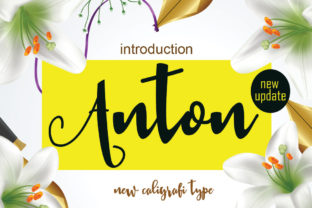
When you are selecting a typeface for a project that calls for warmth, personality, and a distinctly human touch, the choices can feel overwhelming. Among the many options available, Anton stands out as a fluid modern script typeface that prioritizes a handcrafted aesthetic. Every letter in this font has been carefully drawn by hand before being digitized, which gives it a personal look and feel that many mass-produced fonts lack. This article explores what makes Anton distinct, how it compares with other categories of type, where it excels, and when you might need to consider a different direction.
What Makes Anton Distinct
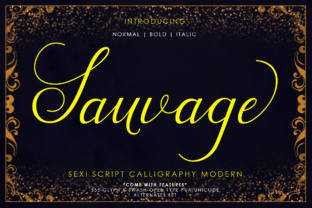
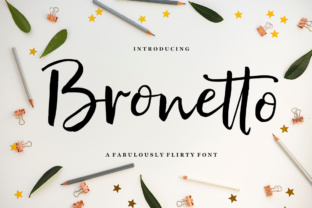
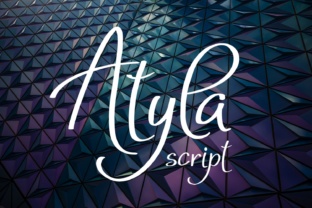
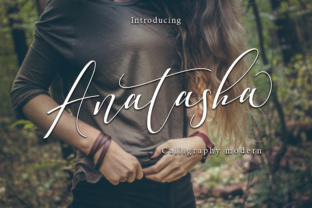
The defining characteristic of Anton is its origin in hand-drawn letterforms. Unlike typefaces that are constructed entirely within design software or that follow strict geometric rules, Anton begins with manual sketches. This process preserves the subtle irregularities, variations in stroke weight, and organic flow that come from a human hand holding a pen or brush. When you use Anton, you are essentially working with digitized handwriting that has been refined for consistency without losing its natural charm.
The fluid modern script style means that letters often connect or flow into one another in a way that feels dynamic rather than rigid. This is not a static, uniform font. Each character carries slight nuances that make the overall text feel alive and approachable. For projects where you want to avoid a sterile or overly mechanical appearance, Anton offers a viable option that brings a sense of craft and care to the page or screen.
Another important aspect is the balance Anton strikes between legibility and expressiveness. Many script fonts sacrifice readability for decorative flair, but Anton has been designed with real-world use in mind. The letterforms remain clear enough for body text at moderate sizes while still retaining the distinctive character that sets them apart from simpler sans-serif or serif alternatives.
How Anton Compares with Other Typeface Categories
When evaluating Anton, it helps to understand where it fits within the broader landscape of typeface options. Script fonts as a category are often chosen for their ability to convey emotion, elegance, or informality. Within this category, Anton occupies a specific niche: modern, fluid, and handcrafted rather than formal or calligraphic.
Compared to traditional serif typefaces, Anton offers a more casual and contemporary feel. Serif fonts are often associated with print media, authority, and long-form reading. They excel in situations where tradition and credibility are paramount. Anton, by contrast, feels more personal and less formal. If your project requires a sense of hierarchy or academic weight, a serif may be more appropriate. But if you want to create a connection with the reader through warmth and individuality, Anton provides a clear advantage.
Compared to standard sans-serif typefaces, Anton is less neutral and more expressive. Sans-serif fonts are prized for their clarity, simplicity, and versatility. They work well in interfaces, signage, and situations where readability at small sizes is critical. Anton cannot replicate that neutrality, but that is not its purpose. Instead, it brings character to spaces where a sans-serif might feel too plain. The tradeoff is that Anton may not be the best choice for dense text blocks or for projects that demand maximum legibility across all sizes and contexts.
Within the script category itself, Anton distinguishes itself from more ornate or decorative scripts. Some script fonts are highly stylized, with dramatic swashes, extreme thick-thin contrasts, or complex flourishes. These can be beautiful but are often difficult to read in longer passages or at smaller sizes. Anton is more restrained. It retains a modern, fluid quality without becoming extravagant. This makes it more versatile than many script alternatives while still offering the handcrafted appeal that sets it apart.
Strengths and Tradeoffs of Using Anton
One of the strongest arguments for choosing Anton is its ability to convey personality without overwhelming the content. Because the handcrafted quality is present but not exaggerated, Anton can be used for headlines, short paragraphs, callouts, logos, and branding elements where a human touch is desired. It works particularly well in contexts that involve artisanal products, creative services, lifestyle brands, or any project that wants to communicate authenticity and care.
Another strength is the emotional response Anton can evoke. Readers often perceive hand-drawn lettering as more trustworthy, approachable, and sincere than mechanically perfect type. This can be a significant advantage in marketing materials, social media graphics, invitations, and packaging where you want to create a positive first impression. The fluid modern style also aligns well with contemporary design trends that favor organic shapes and human-centered aesthetics.
However, there are tradeoffs that deserve careful consideration. Script typefaces, including Anton, can be less readable in long blocks of text. If your project involves extensive body copy, a script font may cause reader fatigue or reduce comprehension. While Anton is more legible than many scripts, it is still not ideal for large amounts of continuous text. For such applications, pairing Anton with a complementary sans-serif or serif for the body copy is a common and effective strategy.
Another limitation is that Anton may not suit every brand or message. If your project requires a highly professional, corporate, or authoritative tone, a handcrafted script could feel out of place. Similarly, if your audience includes readers who may have visual impairments or who are not accustomed to script typefaces, accessibility concerns may arise. In those cases, a simpler, more conventional typeface would be a better choice.
When Anton Is the Right Choice
Anton is particularly well-suited for projects where the goal is to stand out while remaining approachable. Examples include:
- Branding for small businesses or creative ventures where you want to convey a handmade or artisanal quality.
- Event invitations and announcements such as weddings, gallery openings, or product launches that call for a personal and celebratory tone.
- Social media graphics and digital content where you want to capture attention quickly and create a friendly, human connection.
- Packaging design for products that emphasize craftsmanship, natural ingredients, or small-batch production.
- Headlines and display text in editorial layouts, websites, or posters where a distinctive voice is needed to draw the reader in.
In each of these scenarios, the handcrafted quality of Anton adds value by reinforcing the message that the work is personal, intentional, and made with care. The fluid modern style also ensures that the typeface does not feel dated or overly nostalgic, which can be a concern with some script fonts that lean heavily on historical calligraphy.
When You May Need Another Option
There are situations where Anton may not be the best fit. If your primary requirement is maximum readability across all devices and screen sizes, especially for extended text, a sans-serif or serif font will serve you better. Anton, like most script fonts, is less predictable in terms of letter spacing and line flow, which can create challenges in responsive design or in contexts where text reflows dynamically.
If your brand or project demands a tone of strict professionalism, formality, or authority, Anton may feel too casual. For legal documents, academic papers, financial reports, or corporate communications, a conventional typeface is almost always the safer choice. Similarly, if your audience is likely to include people with dyslexic or other reading difficulties, script fonts can reduce accessibility and comprehension. In such cases, prioritizing clarity over personality is the responsible decision.
Another consideration is scalability. While Anton works beautifully at display sizes, its performance at very small sizes may be less consistent. The handcrafted details that make it appealing at larger sizes can become indistinct or muddy when reduced. If your project requires a single typeface to function across a wide range of sizes from tiny footnotes to large headlines, you might need a more robust system that includes multiple weights or a family of complementary fonts.
Practical Examples and Comparisons
To illustrate the decision-making process, consider two hypothetical projects. In the first, you are designing a website for a local bakery that specializes in sourdough bread and pastries. The brand values are authenticity, tradition, and a warm, welcoming atmosphere. Using Anton for the main headings and logo text would reinforce these values by signaling that the business is hands-on and cares about craft. Pairing Anton with a simple sans-serif for product descriptions and navigation would maintain readability while preserving the overall friendly character. In this context, Anton is an excellent fit.
In the second project, you are creating a mobile app for a financial planning service that targets young professionals. The brand needs to feel modern, trustworthy, and efficient. Here, Anton would likely be a poor choice. A clean sans-serif would communicate reliability and clarity, while a script font might inadvertently suggest a lack of seriousness or precision. The handcrafted quality that works so well for the bakery could undermine the financial app's credibility. In this case, Anton is best avoided in favor of a more neutral and professional typeface.
Between these extremes, there are many gray areas. For a lifestyle blog that covers travel, food, and personal style, Anton could be used sparingly for pull quotes, section headers, or social media graphics, while a readable serif handles the article body. This hybrid approach allows you to benefit from Anton's charm without sacrificing the readability that keeps readers engaged. The key is to match the typeface to the tone and purpose of each specific element rather than applying it uniformly across the entire project.
Making an Informed Decision
Choosing a typeface is rarely about finding a single "best" option. It is about understanding the tradeoffs and selecting the tool that aligns with your goals, audience, and context. Anton offers a distinctive blend of handcrafted warmth and modern fluidity that many other typefaces cannot replicate. It can add personality, approachability, and a sense of human care to your work. At the same time, it has limitations in readability, scalability, and formality that you must consider.
Before committing to Anton, ask yourself a few questions. What is the primary function of the text where Anton will be used? Who is the audience, and what are their expectations? How will the typeface perform across different devices, sizes, and contexts? Does the brand or message genuinely benefit from a handcrafted aesthetic, or would a more neutral typeface serve the purpose better?
In many cases, the wisest approach is to use Anton selectively rather than exclusively. Reserve it for the moments where its personality can make the strongest impact, and support it with more conventional typefaces for the heavy lifting of long-form reading and small-size display. This strategy allows you to harness the strengths of Anton while mitigating its weaknesses, giving you both charm and function.
Ultimately, the value of Anton lies in its ability to bring a human touch to digital and print design. In a world where so much communication feels automated and impersonal, a typeface that carries the subtle evidence of a hand at work can be a meaningful differentiator. Whether that difference is worth the tradeoffs depends on your specific situation, but for projects that call for warmth, personality, and a crafted feel, Anton is a contender worth considering seriously.