Inverted Stencil: A Bold Approach to Typography That Commands Attention
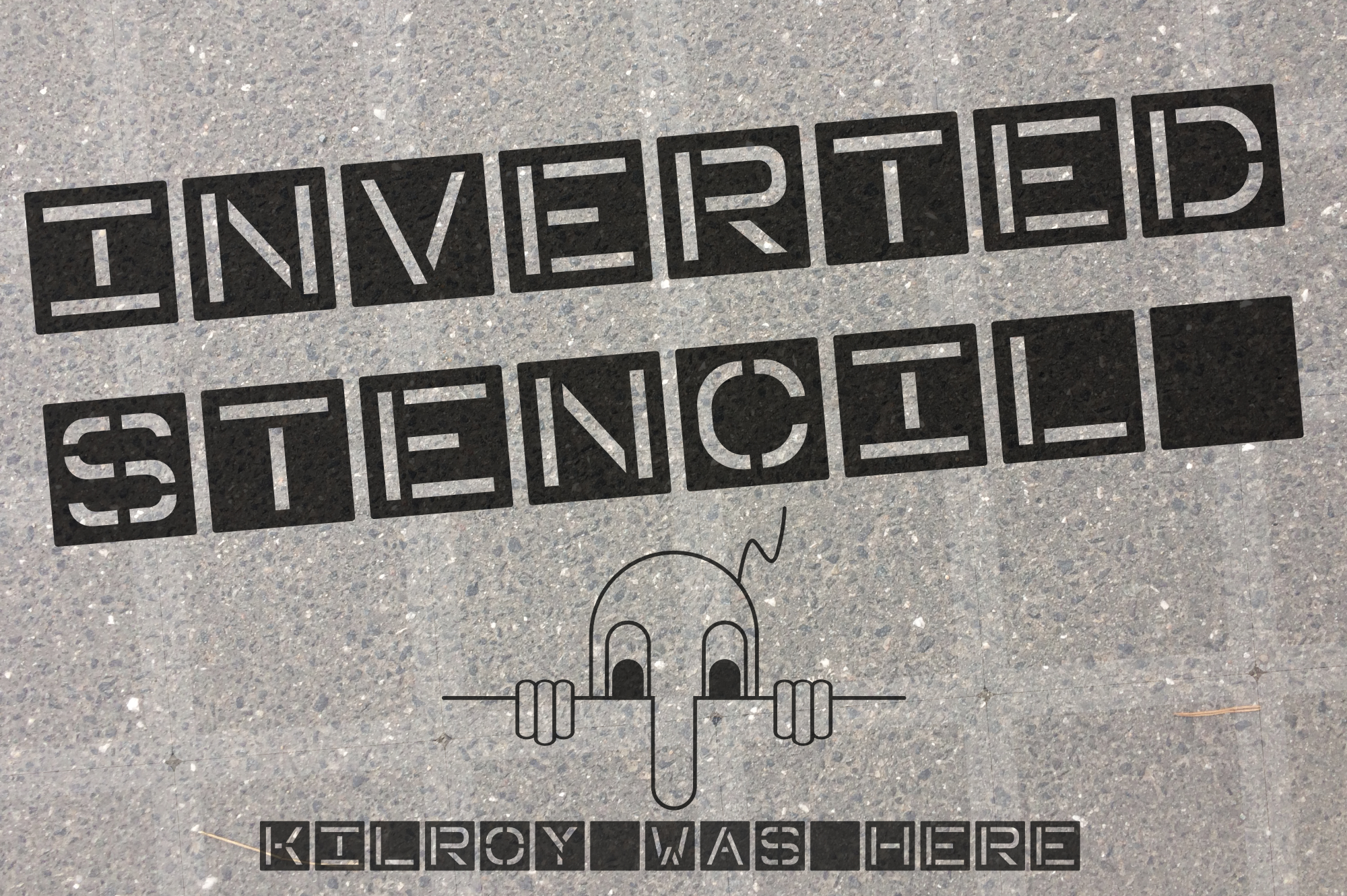
You’ve seen stencil fonts before—those rugged, military-inspired letters with gaps between strokes, often used on shipping crates or warning signs. But an Inverted Stencil flips that logic. Instead of cutting out the interior shapes, the letters themselves become the negative space. The result is a decorative stencil type font with square inverted characters that feels both modern and industrial, elegant and edgy. It’s a style that works because it disrupts expectation.
If you are a designer, marketer, educator, or business owner looking for a typeface that says something before a single word is read, this family of fonts deserves your attention. Let’s explore what inverted stencil really is, why it matters, and how you can put it to work across a wide range of real-world projects.
What Makes an Inverted Stencil Different?
Traditional stencil fonts feature disconnected strokes—like the letter “O” broken into four separate pieces. An inverted stencil does the opposite: the letters are solid, but the surrounding space is broken up, often using square or geometric cutouts inside or around the letterforms. The “square inverted characters” description points to the use of blocky, rectilinear shapes that create contrast between the letter and its background.
- Structure: Letters are typically monoline or slab serif with uniform stroke widths.
- Negative space: Instead of gaps inside the letter, the background shows through in square or angular patterns.
- Personality: It feels deliberately constructed, almost like a maze or architectural blueprint.
- Readability: Because the letters themselves are solid, they remain legible at small sizes—but the unusual shapes still make a statement.
This combination of playfulness and precision makes inverted stencil fonts a strong choice when you want something that looks hand-crafted yet systematic.
Branding and Logos That Stand Out
When every brand tries to look sleek and minimal, a font with square inverted characters can be the differentiator. Consider a craft brewery, a streetwear label, or a tech startup that wants to feel both gritty and refined. The structural quality of an inverted stencil pairs well with bold color blocks, geometric icons, or halftone patterns. It avoids the overused sans-serif trap while still feeling clean.
Example: A small-batch hot sauce company used an inverted stencil for its logo. The square cutouts evoked vintage industrial labels, but the solid letterforms kept the name readable on small jars and merchandise.
Posters, Flyers, and Event Collateral
Event posters need to grab attention from across the room. An inverted stencil font does that naturally—it looks like it was stamped or screen-printed, even when printed digitally. Use it for headers and short phrases. Pair it with a simple sans-serif body font to avoid competition.
- Music festival lineups
- Art gallery openings
- Workshop announcements
- Political campaign signs
Because the characters are square-based, they align nicely with grid layouts. You can fill the cutout areas with a secondary color or pattern for an extra layer of depth.
Digital Interfaces and Web Design
Yes, inverted stencil works on screens—but with some care. Use it for hero headlines, navigation headers, or call-to-action buttons. The solid letterforms make it suitable for high-contrast themes. Since the square inverted shapes can create visual noise, keep surrounding elements simple.
Practical tip: Test the font at different screen sizes. At very small resolutions, some cutouts may fill in or distort. Choose a weight that balances presence with clarity. For body text, stick to standard readability fonts; reserve inverted stencil for display purposes.
Educational and Instructional Materials
Teachers and trainers often need materials that feel approachable without being childish. Inverted stencil can be used for:
- Section headers in worksheets
- Labels on classroom supplies
- Posters with rules or motivational phrases
- Infographics explaining step‑by‑step processes
The geometric quality of the characters gives instructions a structured, orderly feel. It also helps students with visual perception—the unusual shapes can make key terms more memorable.
Packaging and Product Labels
Retail packaging is a crowded space. A decorative stencil type font with square inverted characters can communicate “handmade” or “industrial chic” without extra illustration. It works especially well on:
- Kraft paper labels
- Glass bottles
- Cardboard boxes
- Cloth tags
Brands that make artisanal goods, tools, or outdoor gear often choose this style because it suggests durability and authenticity.
The Practical Benefits: Why Choose an Inverted Stencil?
Beyond aesthetics, there are tangible advantages to using this typeface family.
- Usability in production: If you are actually screen-printing or stenciling physical items, inverted stencil designs can be easier to cut—the letters remain one solid piece, which simplifies the stencil mask.
- Low ink consumption: In digital printing, the solid letters use full ink, but the surrounding negative space is left blank. This can be advantageous for large-format prints where ink usage matters.
- High contrast: Whether on white, black, or colored backgrounds, the square cuts create a sharp interplay that demands to be seen.
- Future-proof appearance: The style references mid‑century industrial design, but modern executions keep it from feeling retro or dated.
Licensing and Format
Not all inverted stencil fonts are created equal. Some are free for personal use only; others require a commercial license. Check whether the font includes:
- Multiple weights (light, regular, bold) for versatility
- Extended character sets (diacritics, punctuation, numerals)
- OpenType features (alternates, ligatures) to vary cutout styles
If you plan to use it in an app or web project, verify the licensing covers embedding and @font-face usage.
Pairing with Other Fonts
Because inverted stencil is highly decorative, it needs a calm partner. For body text, choose a clean sans-serif like Open Sans, Roboto, or Lato. For a more editorial feel, pair it with a classic serif such as Merriweather or Playfair Display. The key is contrast: let the stencil do the heavy lifting for headlines, and keep supporting text minimal.
Legibility in Small Sizes
Some inverted stencil fonts work well at 18px or larger; others get muddled below 24px. Always test your chosen font at the actual output size. Pull a sample into your design software, print it, or view it on the target screen. Adjust tracking and leading if needed—the square shapes may need a little extra breathing room.
Color and Background Effects
The cutout areas in inverted stencil characters are perfect for color breaks. You can:
- Fill them with a contrasting background color
- Place a photo or texture behind the text
- Use a gradient that shows through the gaps
However, avoid busy patterns that distract from the letter shape. The strength of the style lies in its structured geometry.
Recommendations for Professionals and Creators
If you are just starting with inverted stencil fonts, pick one that includes a range of styles so you can experiment. Look for designers who share specimen sheets showing the font in real layouts, not just isolated letterforms.
For marketers and entrepreneurs: use inverted stencil sparingly. A full paragraph set in this style can overwhelm readers. Instead, reserve it for a single word or short phrase in your campaign visuals. It works brilliantly as a watermark or overlay on product photography.
For educators and bloggers: consider using the font to highlight key vocabulary or section dividers. The square inverted characters add a tactile quality even in digital formats, making content feel more engaging.
For hobbyists: try creating your own inverted stencil effect by modifying existing stencil fonts in vector software. It can be a fun weekend project that gives you a custom type style for personal use.
Final Thoughts
An inverted stencil is more than a typographic curiosity. It’s a practical tool for visual communication that bridges the gap between handmade and high-tech. By understanding its structure, applying it with intention, and pairing it thoughtfully, you can elevate your designs—whether you’re building a brand, teaching a class, or launching a product. The next time you need a font that says “built, not just written,” give the inverted stencil a closer look.