Evaluating Anatasha: An Ultra Light Modern Calligraphy Font for Design Projects
Choosing the right typeface for a design project often involves balancing aesthetic appeal with practical legibility. Among the many script fonts available, Anatasha has drawn attention as an ultra light, modern calligraphy option that emphasizes delicacy and handcrafted detail. This article provides a balanced evaluation of Anatasha, examining its characteristics, ideal use cases, potential limitations, and how it compares to other typeface choices. Whether you are selecting a font for wedding stationery, branding materials, or digital overlays, understanding what this font offers and where it may fall short can help you make an informed decision.
What Is Anatasha?
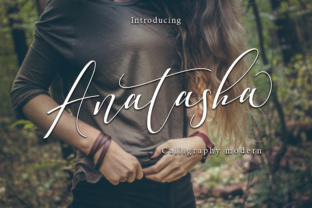
Anatasha is an ultra light modern calligraphy font distinguished by its thin stroke weight and hand-drawn origin. It contains 483 unique hand-drawn glyphs, which gives it a varied and organic character that differs from more mechanically uniform script fonts. The font is designed to convey elegance and refinement, with a light touch that suits applications where subtlety is preferred over boldness. Its glyph set includes uppercase and lowercase letters, numerals, punctuation, ligatures, and alternate characters, providing flexibility for designers who want to avoid repetition in their typography.
The ultra light weight means that Anatasha sits at the lighter end of the stroke thickness spectrum. This is a deliberate design choice that sets it apart from bolder calligraphy fonts, which often project a more assertive or rustic feel. The hand-drawn nature of the glyphs means that each character has slight variations, mimicking the natural inconsistency of ink on paper. This can add warmth and personality to designs, but it also introduces considerations around legibility and scaling that are important to evaluate before committing to the font for a project.
Why Designers Might Consider Anatasha
Interest in Anatasha typically arises from a need for a typeface that feels personal, refined, and unobtrusive. Designers working on projects that emphasize romance, celebration, or understated luxury often gravitate toward ultra light calligraphy because it communicates softness and care. The large glyph count also appeals to those who value typographic variety; having 483 unique characters means that repeated letters in a block of text may look different from one another, reducing the repetitive appearance that can occur with smaller font families.
Another reason for considering Anatasha is its modern interpretation of traditional calligraphy. Unlike formal scripts that can feel stiff or overly ornate, this font has a relaxed, contemporary flow. It works well in contexts where you want a handwritten feel without the font appearing too casual or unstructured. For projects that require a balance between elegance and approachability, Anatasha offers a middle ground that many other ultra light scripts do not.
Additionally, the font is well-suited for photo overlays and layered designs, where its thin strokes do not overpower the underlying image. This makes it a practical choice for social media graphics, website headers, and digital invitations where the text needs to complement rather than dominate the visual content.
Visual Lightness and Refinement
The most notable strength of Anatasha is its delicate visual presence. In designs where white space and minimalism are central, an ultra light calligraphy font maintains the clean aesthetic while adding a human touch. This can be especially effective for luxury branding, high-end product packaging, and premium event stationery, where the goal is to convey quality through subtlety rather than loudness.
Extensive Glyph Set for Customization
With 483 hand-drawn glyphs, Anatasha provides significant room for customization. Designers can replace standard characters with alternates to create unique wordmarks, avoid awkward letter combinations, or give a project a bespoke feel. This is particularly valuable for short text applications like logos, monograms, or quotes, where every character carries visual weight.
Modern Hand-Drawn Feel
The hand-drawn quality of the glyphs means that the font does not look overly polished or artificial. For audiences who respond well to authenticity and craftsmanship, this can be a deciding factor. The font captures the nuance of real handwriting, including slight variations in slant, pressure, and shape, without sacrificing the consistency needed for professional design work.
Versatility Across Project Types
Anatasha is marketed for a broad range of uses, including greeting cards, wedding invitations, thank-you cards, branding materials, and photo overlays. Its adaptability stems from its neutral elegance; it does not strongly evoke a specific historical period or cultural style, which makes it workable for both contemporary and classic-themed projects.
Legibility at Small Sizes
The primary tradeoff with any ultra light font is legibility. At small point sizes, thin strokes can become difficult to read, especially on screens or in print with lower resolution. This is a critical consideration if you plan to use Anatasha for body text, fine print, or any application where the font size falls below 12 points. For headlines, titles, and short phrases, legibility is generally acceptable, but testing the font at your intended size and medium is highly recommended.
Limited Boldness and Contrast
Because Anatasha is uniformly light, it lacks the thick-thin contrast found in many traditional calligraphy fonts. This can be either a benefit or a limitation depending on your design needs. If you want a script that provides emphasis or stands out against a busy background, the ultra light weight may not deliver enough visual impact. Pairing it with a bolder serif or sans-serif font for contrast is a common workaround, but it adds complexity to the layout.
Not Ideal for Long-Form Text
Extended paragraphs set in Anatasha will be challenging to read due to both the thin stroke weight and the natural variation in hand-drawn characters. Readers may experience eye strain or find the text difficult to follow over long passages. This font is best reserved for short, impactful text fragments where its aesthetic qualities can shine without compromising readability.
Printing Considerations
When used in print, ultra light fonts require careful attention to paper quality, ink type, and printing method. On absorbent or low-quality paper, thin strokes may bleed or become less defined, reducing legibility and visual appeal. If you are planning a print run, ordering a proof or test print is advisable to confirm that the font renders as expected.
Where Anatasha Is a Strong Fit
Anatasha performs well in projects where the primary goal is aesthetic grace and where text is used sparingly. Some of the strongest use cases include:
- Wedding and event invitations: The light, airy quality of the font complements floral or minimalist invitation designs. It works especially well for names, dates, and short phrases on save-the-date cards, ceremony programs, and thank-you notes.
- Branding for lifestyle and luxury businesses: Companies in the wedding, beauty, fashion, or home decor industries may find that Anatasha aligns with a brand identity that values softness, elegance, and personal touch.
- Photo overlays and social media graphics: The font's thin strokes allow the underlying image to remain visible, making it a good choice for inspirational quotes, blog post titles, and Instagram stories.
- Greeting cards and stationery: Hand-drawn calligraphy lends itself naturally to cards for birthdays, anniversaries, and holidays, where a personal feel is valued.
- Logos and wordmarks for small businesses: When paired with a clean sans-serif secondary font, Anatasha can serve as a distinctive wordmark that conveys craft and care.
Where Alternatives May Be Worth Considering
While Anatasha has many strengths, there are situations where another font type may better serve your project. Consider alternatives if:
- You need strong readability at small sizes: For body text, captions, or any content below 12 points, a medium-weight script or a clean serif will be far more legible. Fonts like Great Vibes or Parisienne offer more stroke contrast and better readability at smaller scales.
- Your project requires a bold or rustic feel: If your design calls for a bold, textured, or rough calligraphy look, Anatasha's ultra light weight may feel too delicate. Consider a brush script or a bolder hand-drawn font for those applications.
- You need extensive language support beyond Latin characters: While Anatasha includes many glyphs, its language support may not cover all Central European, Cyrillic, or other non-Latin character sets. Verify that the font includes the characters you need for your target audience.
- You are working on long-form printed materials: For brochures, magazines, or books that include script text, a font with more robust stroke weight and better readability at length will improve the reader experience.
- Budget or licensing constraints exist: As with many premium fonts, Anatasha requires a license for commercial use. If your project has a limited budget or you need a free alternative for a short-term project, there are open-source calligraphy fonts that may meet your needs, though they will not offer the same glyph variety.
Practical Decision-Making Insights
Determining whether Anatasha aligns with your project goals involves evaluating several factors beyond the font's appearance. Start by defining the primary function of the text. If the text is meant to be read closely and at length, an ultra light calligraphy font likely is not the best choice. If the text is meant to be seen, felt, and appreciated as part of a visual composition, Anatasha may be an excellent fit.
Next, consider the medium. Digital screens vary widely in resolution, and thin fonts can appear pixelated or faint on low-resolution displays. Testing Anatasha on the devices or platforms where it will appear most frequently is a practical step that can prevent disappointment. For print, request a physical sample if possible, and test on your intended paper stock.
Also, evaluate the font's compatibility with your existing design system. Anatasha pairs most naturally with clean, neutral sans-serif fonts and minimalist layout elements. If your brand uses bold colors, heavy graphics, or ornate decorations, the font may compete for attention or feel mismatched. A simple mockup can reveal whether the font harmonizes with your overall design direction.
Finally, consider the audience. Script fonts, especially ultra light ones, can be perceived as feminine, romantic, or delicate. Depending on your brand or message, this may be either a strength or a limitation. Understanding your audience's expectations and preferences will guide you toward or away from Anatasha as a choice.
Determining Whether Anatasha Aligns with Your Goals
Anatasha is not a one-size-fits-all font, and it is not intended to be. Its value lies in its specificity: it serves a particular aesthetic niche that prioritizes lightness, hand-drawn authenticity, and refined simplicity. For designers and business owners who need a typeface that communicates these qualities, Anatasha can be a considered, effective choice. For those who need versatility across sizes, strong readability, or a bolder visual presence, other fonts will likely perform better.
The best way to determine if Anatasha is right for your project is to test it in context. Create a mockup that simulates the final design as closely as possible, including the text length, background imagery, color palette, and output medium. Evaluate whether the font enhances the message or distracts from it. Pay attention to how it reads at a glance and whether the overall impression matches the tone you want to convey.
Ultimately, the decision comes down to matching the font's strengths with your project's needs. Anatasha shines in applications where elegance, subtlety, and a personal touch are paramount. If those qualities describe what you are trying to achieve, it is a font worth exploring deeply. If your requirements lean toward practicality, scalability, or boldness, exploring other options may lead to a more functional and effective outcome.
By taking the time to evaluate Anatasha's design characteristics, strengths, limitations, and ideal use cases, you can make a confident choice that serves both your creative vision and your audience's experience.