Fanesia: A Handwritten Script With Strategic Depth for Modern Design
Typography is one of the most consequential decisions a creator, marketer, or business owner can make. It shapes perception, guides attention, and quietly signals values before a single word is read. Among the many typefaces available today, few manage to combine classical roots with practical versatility the way Fanesia does. This handwritten script, built from over 400 handmade glyphs and 237 alternate characters, offers more than aesthetic appeal. It offers a deliberate tool for communication, branding, and long-term positioning.
Understanding what Fanesia is and how it works in real-world contexts can help you make better decisions about when and why to use it. It is not a font for every occasion. But when chosen with intention, it can elevate projects in ways that standard typefaces cannot replicate.
What Fanesia Brings to the Table
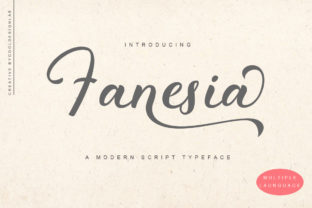
At its core, Fanesia is a formal script with handwritten origins. It draws inspiration from classical calligraphy, yet remains accessible to modern workflows. The extensive glyph set and alternate characters give designers and business owners a level of customization that is rare in pre-packaged fonts. You are not locked into a single expression of the alphabet. You can shape the text to match the tone, the message, and the medium.
For someone managing a brand, this matters. Consistency is important, but so is the ability to adapt. With Fanesia, you can maintain a cohesive visual identity while still introducing variation across different touchpoints. That flexibility supports long-term planning because it reduces the need to switch typefaces as your brand evolves.
Strategic Value Beyond Aesthetics
Many people choose a font based on how it looks in isolation. But the real value of a typeface emerges in context. How does it perform in a logo? On a website header? In printed collateral? Does it support the goals of the project or undermine them?
Fanesia works well when the goal is to convey elegance, craftsmanship, or a human touch. Its handwritten foundation suggests effort and care. In an era of automated design and template-driven visuals, that human element can differentiate your communication. For entrepreneurs and small business owners, this is especially relevant. You may not have a large marketing budget, but you can still signal quality through deliberate typography.
The alternate characters also allow for strategic variation. A wedding invitation, a luxury product label, and a personal brand website can all use Fanesia, but they will look distinct depending on which alternates you select. This gives you control over nuance. And nuance, in branding, often determines whether a message feels generic or intentional.
Positioning and Communication
When you choose a typeface, you are also choosing a voice. Fanesia speaks with formality, but not coldness. It has the structure of a script that respects tradition, yet it does not feel stiff. This makes it suitable for industries where trust and refinement matter: legal services, high-end hospitality, bespoke products, creative consulting, or professional coaching.
If you are positioning yourself as a premium provider, a well-chosen script can reinforce that perception faster than a paragraph of copy. People make snap judgments about visuals. Fanesia helps you control that first impression without relying on heavy imagery or expensive design work.
When to Use Fanesia Intentionally
Knowing when to use a font is just as important as knowing how to use it. Fanesia is not a body text font. It is not designed for long paragraphs or dense information. Trying to force it into that role would compromise readability and frustrate your audience. Instead, think of it as a tool for emphasis, identity, and moments that need to stand out.
- Logos and wordmarks: Fanesia can serve as the foundation of a visual identity. The alternate characters allow you to create a logo that feels bespoke without commissioning custom lettering.
- Headlines and titles: When used sparingly in headers, it draws the eye and sets a tone. This works particularly well in printed materials, landing pages, or presentation covers.
- Invitations and certificates: Because of its formal roots, Fanesia fits naturally in contexts where tradition and ceremony are present. Think event programs, award documents, or thank-you notes.
- Product packaging: A handwritten script on a label can communicate artisanal quality. For small-batch goods or handmade products, this alignment between type and offer is powerful.
- Social media graphics: Short, impactful quotes or announcements benefit from a distinctive script. Fanesia adds character without overwhelming the message.
Planning Your Approach to Fanesia
Using a font like Fanesia effectively requires a plan. Random application rarely produces good results. Before you commit it to a project, consider the following:
- Define the purpose: What is this piece of communication trying to achieve? If the goal is clarity and speed, a script may not be ideal. If the goal is emotion and distinction, Fanesia becomes a strong candidate.
- Test readability at scale: Scripts can lose legibility when sized too small or placed on busy backgrounds. Always preview your text at the sizes and distances your audience will encounter.
- Choose alternates deliberately: With 237 alternate characters, you have many options. Do not treat them as decorative afterthoughts. Use them to solve specific design problems or to reinforce the message.
- Pair it with a neutral counterpart: Fanesia works best when balanced by a clean sans-serif or subtle serif. This contrast gives the script room to breathe and prevents visual fatigue.
- Consider the context: A formal script may feel out of place in a tech startup's app interface, but it could work beautifully in their investor deck or brand guidelines. Context dictates appropriateness.
Risks of Using Fanesia Without Clear Goals
The most common mistake people make with expressive typefaces is using them without a strategy. Fanesia is distinctive. That is an advantage when used intentionally, but it can become a liability when applied carelessly.
If you use it in places where readability is paramount, you risk confusing or alienating your audience. If you use it alongside competing styles, you risk creating visual noise. And if you use it for every piece of communication, you dilute its impact. A distinctive tool should be reserved for moments that matter.
Another risk is ignoring the technical side. Fonts with many alternates require software that supports OpenType features. If your design tool or web platform does not handle these correctly, the output may look inconsistent. Always test your implementation before going live.
There is also the question of longevity. Trends in typography shift. A deeply stylized script may feel dated faster than a neutral typeface. That does not mean you should avoid it. It means you should use it in areas where periodic updates are feasible, such as marketing materials, rather than core branding elements that you intend to keep unchanged for decades.
Making Thoughtful Decisions With Fanesia
Strategic use of Fanesia begins with a question: What outcome am I seeking? If the answer involves trust, elegance, or human connection, this typeface deserves consideration. If the answer involves speed, data density, or mass-market appeal, another choice may serve you better.
Once you decide to use it, commit to the details. Invest time in selecting the right alternates. Test the font in multiple formats. Ask colleagues or clients for feedback on how it reads, not just how it looks. Typography is ultimately about communication. If the type interfere with the message, the design has failed.
For freelancers and creators, Fanesia offers a way to differentiate without expensive custom work. You can produce materials that feel personal and polished. For business owners, it provides a tool to signal quality and attention to detail. For educators and publishers, it can add a layer of formality to certificates, guides, or special editions.
Long-Term Value of a Purposeful Type Choice
Design decisions compound over time. Every time you use Fanesia consistently, you reinforce the associations your audience builds with your work. If you use it for your logo, your website headers, your product labels, and your printed materials, people begin to connect that visual language with your reputation. That is a form of brand equity that does not require a large advertising budget.
The 400-plus handmade glyphs also mean you are unlikely to run into the limitations that plague smaller font families. As your content expands, your typography can expand with it. You will not need to switch to a different script when you need a special character or a ligature. The coverage is already there.
From a planning perspective, this reduces friction. You can focus on your message rather than on hunting for workarounds. And because Fanesia is a formal script with classical roots, it does not rely on fleeting trends. It has a timeless quality that, when paired with thoughtful application, can serve your projects for years.
Practical Steps to Integrate Fanesia Into Your Work
If you are considering adding Fanesia to your toolkit, start small. Use it in a single project, such as a logo or a set of social media templates. Observe how it performs. Collect feedback. Adjust your approach based on real results, not assumptions.
Once you understand its strengths and limitations in your specific context, you can expand its role. You might introduce it into email headers, presentation covers, or product packaging. Each application will teach you something about how the typeface interacts with your audience and your brand.
Document your choices. Keep a record of which alternates you use for which purposes. This may seem unnecessary, but it pays off when you revisit a project months later. Without documentation, you risk inconsistency. With it, you can replicate success and avoid repeating mistakes.
Finally, do not let the complexity of the font overwhelm your judgment. Fanesia is a tool. Like any tool, its value depends on the skill and intention of the person using it. Focus on clarity, purpose, and fit. The aesthetic benefits will follow naturally.
Conclusion as a Considered Approach
Fanesia is not a font that fades into the background. It makes a statement. That can be an advantage or a risk, depending on how you use it. By approaching it with strategy, planning, and a clear understanding of your goals, you can turn this handwritten script into a genuine asset for your work.
Whether you are a marketer refining a brand, a creator building a visual identity, or a business owner looking for ways to communicate quality, Fanesia offers a path that is both classical and adaptable. The key is to use it deliberately, not randomly. When you do, the results speak for themselves.