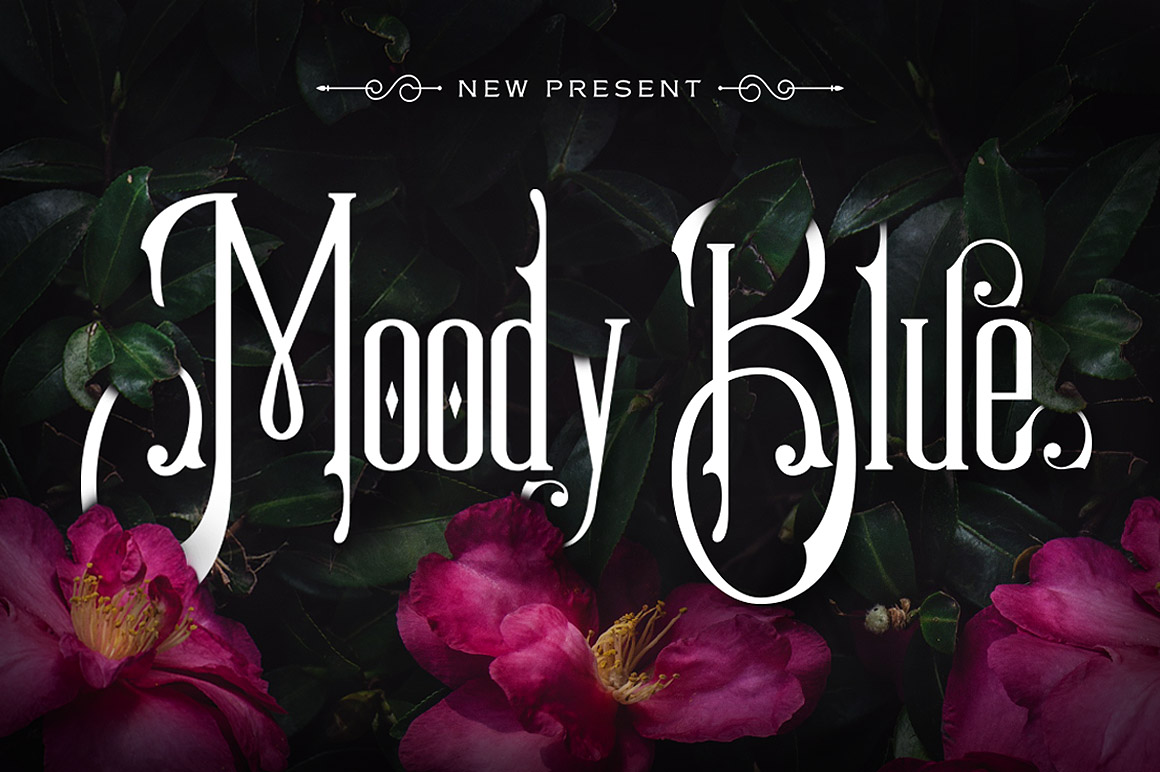
Moody Blue: A Display Font Rooted in Classic Design
Choosing the right typeface can sometimes feel like a small decision, yet it often determines whether a project lands with impact or fades into the background. Among the many display fonts available, Moody Blue stands out for its thoughtful connection to classic typographic traditions, vintage art, and the understated elegance of old book covers. This is not a font that shouts for attention—it earns it through craft, proportion, and a quiet sense of history.
If you work with visual communication in any form, understanding what Moody Blue offers—and where it fits best—can help you make more intentional design choices. Let's explore what makes this typeface distinctive, who can benefit from it, and how to use it effectively in real-world projects.
The Character of Moody Blue
Moody Blue draws clear inspiration from the typography found on classic book covers, vintage posters, and printed ephemera from the early to mid-twentieth century. That influence is visible in its letterforms: there is a warmth to the curves, a deliberate contrast between thick and thin strokes, and a sense of rhythm that feels natural rather than mechanical. Designers often describe it as beautifully and classically crafted, and that craftsmanship translates directly into how the font performs in display settings.
Unlike many modern display fonts that prioritize novelty over readability, Moody Blue retains a grounded legibility. The characters are distinct without being exaggerated, and the overall impression is one of refined character. This makes it suitable for situations where you want your typography to carry emotional weight without overwhelming the message.
The typeface works especially well at larger sizes, where its details become visible and its proportions can breathe. It is not intended for dense body text, but as a display font, it excels at creating focal points, setting a mood, and lending a sense of authenticity to your designs.
What makes it different from other vintage-inspired fonts
Many typefaces borrow from vintage aesthetics, but Moody Blue avoids feeling like a simple reproduction. The design feels informed by tradition rather than limited by it. The spacing is generous without being loose, the serifs are present but not heavy, and the overall balance leans toward a quiet confidence. This makes it a good choice for projects that require both nostalgia and a contemporary polish.
It also performs well across different media. Whether you are using it in a digital layout, a print piece, or even on merchandise, the typeface retains its character without becoming muddy or losing definition. That versatility is a practical advantage for anyone producing multiple deliverables from a single design system.
Practical Applications: Where Moody Blue Makes a Difference
The real value of a typeface emerges in how it supports your specific goals. Moody Blue is particularly effective in several common design scenarios, and understanding those can help you decide when to reach for it.
Book covers and editorial design
Given its roots in classic book design, Moody Blue feels at home on covers, title pages, and chapter headings. If you are designing for a literary journal, a small press publication, or even a self-published novel, this typeface can instantly communicate a sense of depth and thoughtfulness. It signals that the content inside has been considered carefully, which is a subtle but powerful message for readers.
For bloggers and content creators who produce digital magazines or long-form articles, using Moody Blue for pull quotes or section headers can break up text in a visually pleasing way. It adds texture to the page without requiring additional graphic elements.
Branding and identity work
Small business owners and entrepreneurs often need branding that feels established without appearing generic. Moody Blue can serve as a primary or secondary font in logo design, packaging, or business cards, especially for businesses in creative, artisanal, or heritage-driven fields. A coffee brand, a design studio, a bookstore, or a wedding planning service could all benefit from the typeface's blend of warmth and formality.
The font also works well in limited-edition packaging, where you want to convey care and exclusivity. When combined with a clean layout and restrained color palette, Moody Blue helps the product feel intentional rather than mass-produced.
Marketing materials and social media
Marketers and freelancers producing promotional materials often struggle to stand out while maintaining professionalism. Moody Blue offers a middle path: it is distinctive enough to catch attention but classic enough to avoid feeling trendy. Using it in email headers, landing page titles, or social media graphics can give your content a cohesive identity.
For example, a marketer creating a campaign around a heritage product or a service rooted in tradition might use Moody Blue to underline the brand's longevity and authenticity. The typeface reinforces the message without needing to explain it.
Invitations, stationery, and event materials
Because Moody Blue carries a sense of occasion, it is well suited for formal or semi-formal invitations, save-the-dates, and event programs. Wedding stationery, gallery openings, and cultural events all benefit from typography that feels special without being ornate. The font provides enough personality to make the piece feel custom without overwhelming the information.
Who Benefits Most from Moody Blue
While any designer can find uses for a well-crafted typeface, certain groups will likely find Moody Blue especially valuable.
- Creative professionals looking to expand their typography toolkit with a font that offers both style and substance will appreciate its versatility across print and digital.
- Publishers and editors working on books, magazines, or literary content can use Moody Blue to reinforce the tone of their publication without relying on heavy imagery.
- Small business owners and entrepreneurs who handle their own branding can achieve a polished look without hiring a specialist, as the typeface does much of the expressive work on its own.
- Educators and hobbyists producing course materials, newsletters, or personal projects will find that Moody Blue raises the perceived quality of their output with minimal effort.
- Freelancers and marketers who regularly create client-facing materials benefit from a font that projects credibility and attention to detail.
The common thread is a need for typography that communicates intention, care, and a sense of history. Moody Blue serves that need without requiring elaborate supporting design.
Considerations and Fit
No typeface is right for every situation, and Moody Blue is no exception. Being a display font, it is not suitable for long passages of body text. Using it in small sizes or for extended reading material will reduce legibility and may frustrate your audience. It performs best when given space—both visual and literal—to show its details.
Additionally, the vintage character of Moody Blue may not align with every brand or project. If your goal is to communicate extreme modernity, minimalism, or industrial efficiency, a more neutral or geometric typeface might serve you better. Always consider the emotional tone you want to set, and let that inform your choice.
It is also wise to test Moody Blue in your specific context before committing. View it at different sizes, on different backgrounds, and alongside the other fonts you plan to use. A typeface that looks perfect in isolation can behave differently in a layout, so a small amount of testing saves frustration later.
Pairing Moody Blue with other fonts
To get the most out of Moody Blue, consider pairing it with a clean sans-serif or a neutral serif for body text. This creates contrast while maintaining harmony. For example, a light, modern sans-serif in body copy allows Moody Blue's character to stand out in headings without competing. A simple pairing strategy elevates the entire design without requiring additional complexity.
Final Observations
Moody Blue earns its place in a designer's toolkit through careful craftsmanship and a clear point of view. It draws on the best of classic typographic design and vintage art, yet it feels relevant to contemporary projects. Whether you are designing a book cover, building a brand, or creating marketing materials, this typeface offers a reliable way to add depth and character.
The most effective typography is often the kind that feels inevitable—as though the letters could not have been drawn any other way. Moody Blue approaches that ideal. It does not try to do everything, but what it does, it does with clarity and purpose. For professionals, creators, and business owners who value quality in their visual communication, that is a meaningful distinction.
If you are searching for a display font that respects tradition while serving modern needs, Moody Blue deserves a close look. Let your project guide the decision, and let the typeface do the work it was built for.