Patchwork Stitchlings: A Playful Font That Adds Handmade Warmth to Any Project
You’re designing a birthday card for a close friend, and something feels off. The layout is clean, the colours work, but it’s missing that personal touch. Then you remember a font that looks like it was sewn together with thread. You switch to Patchwork Stitchlings, and suddenly the card feels like a gift you made by hand, not just a file on a screen. That’s the kind of shift this typeface delivers.
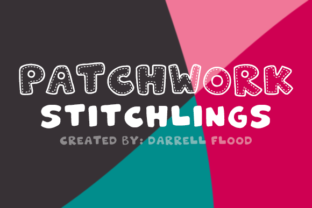
Patchwork Stitchlings was created by Darrell Flood, a designer known for bringing texture and character into digital typography. Every glyph in this font carries a stitched outline that mimics running stitch embroidery. The effect is playful, imperfect in the best way, and immediately approachable. It doesn’t scream for attention, it invites people to lean in and look closer. And because the font also includes a filled version, you’re not stuck with one look. You can switch between outline and solid forms depending on the mood or medium.
Why the Stitched Look Works So Well in Practice
The stitched line isn’t just decoration. It changes how people perceive your message. In a world of polished sans-serif typefaces and sleek logos, text that looks handmade stands out. It feels honest. It suggests time and care. A restaurant menu using Patchwork Stitchlings for dessert specials feels more comforting than one using a standard system font. A teacher’s classroom poster with stitched letters feels more welcoming to young students.
The filled version adds even more flexibility. Use the outline alone for a light, airy feel on pastel backgrounds. Layer the filled version underneath for a dense, bold headline. Combine both to create depth without adding graphics. You get two distinct personalities from one purchase.
Real Scenes Where This Font Shines
Let’s walk through specific situations where you might reach for Patchwork Stitchlings. These aren’t theoretical. They’re drawn from how people actually use decorative fonts in their work and daily lives.
Branding for Small Shops and Creative Businesses
A friend of mine runs a small yarn store. Her brand is all about cosy, handmade culture, but her logo used a generic script font. She switched to Patchwork Stitchlings for her store tags, website headers, and social media posts. The stitched line echoed the texture of her products. Customers started commenting that the branding “felt like a hug.” That’s the power of choosing a typeface that reflects your actual offering.
If you sell handmade soap, vintage clothing, or art prints, this font can carry that craft identity across all your touchpoints. Use the filled version on packaging labels so the name stands out on a shelf. Use the outline version in your email newsletter headings for a consistent look that doesn’t feel corporate.
Cards and Stationery That Feel Personal
Greeting cards are where Patchwork Stitchlings really comes alive. The stitched outline mimics actual embroidery, so a birthday card using this font looks like a piece of fabric art. Pair it with a simple coloured background, and you have a card that feels thoughtful without needing illustrations or photos.
Think about wedding invitations, thank-you notes, or holiday announcements. The font adds a warm, handmade element that recipients often save rather than toss. If you sell stationery on Etsy or at craft fairs, using Patchwork Stitchlings can set your products apart from the thousands of cards using script or serif fonts.
Social Media Graphics That Stop the Scroll
On platforms like Instagram and Pinterest, visuals compete for split-second attention. A stitched font catches the eye because it looks different from the usual typography styles. Use it for quote graphics, sale announcements, or product reveals. The outline version works especially well when layered over photos, because the open letterforms don’t block the image.
One food blogger I follow switched to Patchwork Stitchlings for her recipe title cards. She said her engagement went up because people kept asking what font she used. That organic curiosity leads to shares and saves, which helps algorithms.
Classroom and Educational Materials
Teachers and educators often need materials that feel inviting, especially for younger students. A poster with Patchwork Stitchlings spelling out “Reading Corner” or “Welcome” immediately signals a creative, non-strict environment. The stitched texture adds a tactile feel even on a screen or printed page.
Homeschoolers can use it for unit study headers, reward charts, or subject labels. The font’s playful nature keeps things light while still being readable. Use the filled version for bold titles and the outline for decorative subheadings.
Digital Products and Printables
If you sell planners, journals, or digital assets, Patchwork Stitchlings adds value. A cover page for a gratitude journal or a to-do list header becomes more appealing with stitched lettering. Buyers often choose products that look like they had extra care put into them. This font helps you deliver that perception quickly.
For bloggers, using this font in lead magnets, workbook titles, or course certificates gives your freebies a professional yet warm feel. It’s a small detail that makes your brand more memorable.
What to Consider Before You Use Patchwork Stitchlings
No font is perfect for every situation, and Patchwork Stitchlings works best when you understand its strengths and limits.
- Readability at small sizes. The stitched outline can get busy at very small point sizes. Use this font for headlines, titles, and short phrases rather than body text. For longer passages, stick to the filled version at a reasonable size.
- Background choice matters. The stitched lines need contrast to show up well. Light stitching on white paper may disappear. Try it on coloured or textured backgrounds where the thread effect pops.
- Pairing with other fonts. Pair Patchwork Stitchlings with a simple sans-serif for body copy. The contrast between playful headlines and clean reading text keeps your design balanced.
- Licensing and usage rights. Check the license terms before using it in commercial projects like logos, product packaging, or merchandise. Darrell Flood’s fonts typically come with standard desktop licenses, but always confirm for your specific use case.
- Don’t overuse it. Because the font is so distinctive, using it everywhere can make your design feel cluttered. Use it selectively to highlight the most important words or sections.
Who Benefits Most from This Typeface
Patchwork Stitchlings appeals to a wide range of users, but certain groups will find it especially useful.
Small business owners in craft-adjacent fields get the most natural fit. If your brand involves textiles, baking, children’s products, or personal care, the font reinforces your handmade identity without extra design work.
Freelance designers and marketers can add it to their typeface library for client projects that need a warm, approachable tone. It’s a conversation starter when pitching a brand refresh.
Hobbyists who enjoy making cards, scrapbooks, or digital collages will appreciate the ease of getting a stitched look without actually sewing. The filled version also looks great when printed with a textured paper.
Educators and non-profit organisers can use it to create materials that feel personal and community-oriented. A flyer for a bake sale or a volunteer sign-up sheet with this font invites participation more effectively than a generic template.
Bringing It All Together
Patchwork Stitchlings isn’t just another decorative font. It’s a tool that brings a stitched, tactile quality to your words. Whether you’re designing for a brand, a classroom, a card, or a digital product, the font helps you communicate care and creativity without extra effort. The filled version gives you an extra layer of flexibility, so one purchase serves multiple needs across print and screen.
Darrell Flood has designed a typeface that sits comfortably at the intersection of playfulness and usefulness. If you’ve been searching for a font that feels less like a product and more like a craft, this one is worth adding to your collection. Start small. Try it on one project. Chances are, you’ll keep reaching for it again and again.