Shrag Script: A Balanced Evaluation of Rocket Type's Handwritten Font
When choosing a handwritten script font for a project, the array of options can be overwhelming. Each typeface carries its own personality, technical constraints, and suitability for different contexts. Shrag Script, a offering from Rocket Type, positions itself as a comfortable, detail-oriented script that began life as a fat marker drawing. This article provides an objective look at what Shrag Script offers, its strengths and limitations, and helps you decide whether it aligns with your project needs.
What Is Shrag Script?
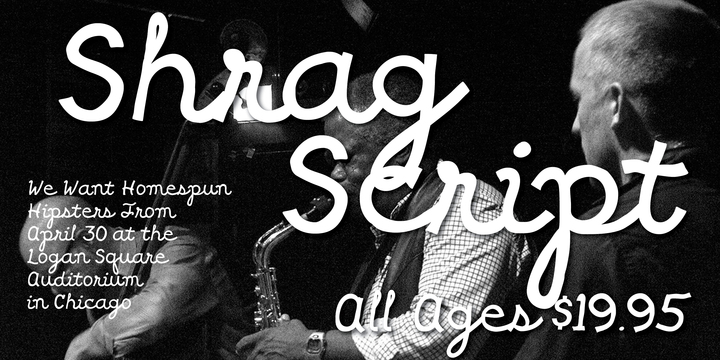
Shrag Script is a handwritten script typeface created by Rocket Type. Its origin story is grounded in analog drawing—starting from a fat marker sketch before being refined into a digital font. The result is a typeface that retains the organic, irregular feel of hand lettering while offering the consistency and utility of a digital font. The designers focused on every minor detail, from stroke variation to spacing, aiming to create a script that feels both spontaneous and reliable.
Unlike many script fonts that lean heavily into either formal calligraphy or casual scribbles, Shrag Script sits somewhere in between. It is not a rigidly formal script nor an overly messy one. Instead, it presents a controlled but comfortable handwritten aesthetic, with letterforms that feel drawn rather than typed. This makes it a candidate for a range of applications where a human touch is desired but legibility remains a priority.
Reasons to Consider Shrag Script
Several aspects of Shrag Script may appeal to designers, content creators, and businesses looking for a handwritten font. Understanding these can help you evaluate whether it fits your particular use case.
1. Authentic Hand-Drawn Quality
Because Shrag Script originated from a fat marker, its strokes carry a natural thickness and slight irregularity. This can lend a genuine, non-digital feel to designs. For projects aiming to convey warmth, approachability, or creativity, an authentic script can be more effective than a sterile, perfectly constructed typeface.
2. Attention to Detail in Letterforms
Rocket Type’s description emphasizes that Shrag Script performs well in every minor detail. This suggests careful kerning, consistent stroke weights (within the bounds of handwriting variation), and well-considered alternates or ligatures. For a script font, these details matter because poor spacing or inconsistent letter shapes can quickly break the illusion of natural handwriting.
3. Comfortable Readability
The term "comfortable font" is used to describe Shrag Script, implying that it does not strain the reader’s eye even when used in body text or longer passages. While script fonts are rarely ideal for extended paragraphs, some achieve a balance where short to medium-length text remains easily readable. Shrag Script seems designed with that balance in mind.
4. Versatility in Sizes
Handwritten scripts often struggle at small sizes due to fine details becoming muddled. Because Shrag Script began as a thicker marker stroke, the minimum weight is already substantial, which can help maintain legibility at smaller point sizes. Conversely, at display sizes, the marker-based irregularities become a feature, adding character.
Benefits and Tradeoffs of Using Shrag Script
No font is universally perfect. Weighing the benefits against the tradeoffs helps ensure you select a typeface that serves your project rather than hinders it.
Benefits
- Strong Personality: The fat-marker origin gives Shrag Script a distinct, slightly rugged charm. It stands out among more polished or generic scripts.
- Good for Short Text: Headlines, pull quotes, logos, product labels, and other short-form text benefit from its expressive letterforms.
- Consistent Yet Organic: Because it is a digital font, you get reliable glyphs without the inconsistency of actual handwriting, while still looking hand-drawn.
- Detail-Oriented Spacing: When a script font is kerned well, it reduces the need for manual adjustments in layout software, saving time.
Tradeoffs and Limitations
- Not for Long Body Text: Even the most readable script fonts become fatiguing in large blocks. Shrag Script is no exception. Use it sparingly for emphasis rather than for paragraphs.
- Limited Formality: The casual, marker-drawn aesthetic may not suit corporate, legal, or highly formal contexts. If you need a script that conveys elegance or tradition, a copperplate or brush script may be more appropriate.
- Language and Character Support: Always check the character set. Some script fonts from smaller foundries lack extensive multilingual support or advanced OpenType features. Verify that Shrag Script covers the glyphs you need.
- Potential Overuse: Because of its distinctive look, overusing Shrag Script in a design can become visually repetitive. Pair it with a neutral sans-serif or serif for contrast.
Expectations When Working with Shrag Script
Before committing to a purchase or download, it helps to have realistic expectations about how Shrag Script behaves in common scenarios.
- Pairing: The font works well with clean sans-serif typefaces like Open Sans, Lato, or Montserrat. Avoid pairing it with another script or highly decorative font, which can create visual conflict.
- Size Matters: For best results, use Shrag Script at sizes above 14pt for body text alternatives, and above 24pt for display purposes. At very small sizes, the marker-like thickness may cause letters to blend.
- Color and Background: Because of its weight and irregular edges, Shrag Script stands out well on light backgrounds. On dark backgrounds, consider adding a subtle outline or using a lighter weight if available, to maintain legibility.
- OpenType Features: If the font includes stylistic alternates, ligatures, or swashes, exploring these can add variety and prevent monotony, especially in longer titles.
Where Shrag Script Shines
Certain project types and contexts naturally align with Shrag Script’s characteristics. If your work falls into any of these categories, this font is likely a strong fit.
- Creative Branding: Small businesses, artisan products, craft businesses, and creative agencies often benefit from a friendly, hand-drawn script. Shrag Script can communicate authenticity and craftsmanship.
- Packaging and Labels: Products like handmade soaps, gourmet foods, candles, or stationery can use Shrag Script to evoke a personal, artisanal touch.
- Casual Headlines: Blogs, social media graphics, event posters, and magazine headers that want to appear informal yet polished.
- Invitations and Stationery: Wedding invitations, party invites, or personal note cards where a handwritten feel is desired but consistency matters.
- Digital Designs for Print-on-Demand: T‑shirts, mugs, and tote bags often use bold, expressive typography. Shrag Script’s marker roots translate well to merchandise.
When Alternatives May Be Worth Considering
No single font fits every scenario. If any of the following describe your project, you may want to explore other handwritten scripts or different font categories entirely.
- Need for Ultra-Legible Body Text: If you must set lengthy passages in a script, look for a typeface specifically designed for readability, such as Pacifico (more rounded) or Alex Brush (more fluid). Even then, scripts are best for short runs.
- Formal or Luxury Contexts: For high-end branding, legal documents, or traditional invitations, a script like Snell Roundhand or Bickham Script offers more formality.
- Minimalist or Clean Design: When the project requires a very clean, modern look, even a script font may introduce too much personality. A geometric sans-serif or a humanist serif might serve better.
- Broad Multilingual Support: If your text includes Central European, Cyrillic, or other non-Latin characters, verify that the font covers them. Some niche script fonts have limited glyph sets.
- Need for Multiple Weights: Shrag Script may only offer a single weight. If you require a family with light and bold variations for hierarchy and contrast, consider a font like Dancing Script or Lobster (though these also have tradeoffs).
Practical Decision-Making Insights
To determine whether Shrag Script is the right choice for your project, consider these steps:
- Test with your content. Use the font’s trial version (if available) to set a few lines of your actual text. Evaluate legibility at the intended sizes and on different backgrounds.
- Assess the brand voice. Does your brand or message benefit from a casual, hand-drawn feel? If yes, Shrag Script could be a strong candidate. If the brand is more formal or technical, look elsewhere.
- Check licensing. Ensure the license covers your intended use—web, desktop, or app. Rocket Type likely provides standard and extended licenses, but always read the terms.
- Consider a backup font. Because Shrag Script is distinctive, have an alternative script or sans-serif ready if the client or project direction changes.
- Pair it properly. Find a complementary font that balances the script’s weight and personality. Avoid pairing with another script; a neutral sans-serif is safer.
- Look for OpenType extras. If the font includes alternate characters or ligatures, you can create more varied typography for longer headlines or logos.
Final Considerations
Shrag Script occupies a specific niche: a comfortably detailed handwritten script born from a fat marker, offering both personality and usability. It is not a one-size-fits-all solution, but for projects that value warmth, authenticity, and a hand-crafted look, it deserves serious consideration. By understanding its strengths—such as excellent detail work and comfortable readability at moderate sizes—and its limitations—primarily its unsuitability for long body text and formal contexts—you can make an informed choice. Evaluate your project’s requirements, test the font with your own content, and decide if Shrag Script adds the right tone to your design. Like any tool, it works best when used with intention and awareness of its unique character.