Some Assembly: Understanding a Distressed Geometric Sans Serif with Practical Tradeoffs
When you are evaluating typefaces for a project that calls for character, texture, and a slightly imperfect feel, options like Some Assembly often surface. The name itself hints at a certain handmade quality, and indeed this sans serif printer font carries a story that is worth understanding before you commit to it. Originally designed as a geometric face intended for print, it encountered some real-world hurdles during the production process. Those very challenges, however, contributed to its distinctive distressed aesthetic and the range of styles now available. This article explores what makes Some Assembly distinct, how it compares to other approaches in the distressed type category, and when it may be the right fit or the wrong choice for your work.
What Some Assembly Offers and What Makes It Distinct
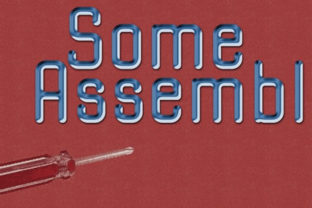
Some Assembly is a geometric sans serif typeface, which means its letterforms are built on simple, clean shapes like circles, squares, and straight lines. Geometric sans serifs are known for their legibility and modern, straightforward appearance. What sets Some Assembly apart from a typical clean geometric font is its deliberate distressed treatment. The font ships with a wide array of distressed styles, from subtle wear to more pronounced damage, giving you flexibility in how much texture you apply to your text.
The font was originally conceived for print, but it ran into complications during the printing process. Those complications are not necessarily a weakness; they informed the distressed character of the typeface. In practice, this means Some Assembly carries an inherent authenticity. The wear feels organic rather than artificially applied, because it emerged from real production constraints. For designers and content creators who value a genuine patina, this backstory adds depth to the typeface’s personality.
Legibility remains a strong point. Despite the distressed treatment, the geometric foundation keeps the letterforms readable at reasonable sizes. This balance between texture and clarity is not always easy to find in distressed fonts. Many heavily weathered typefaces sacrifice readability for effect, but Some Assembly manages to preserve a functional level of legibility, especially in display sizes and medium-weight applications.
Comparing Some Assembly with Other Distressed and Geometric Options
When you are comparing distressed sans serif typefaces, the landscape includes everything from grunge fonts with heavy brush textures to more subtle worn geometric styles. Some Assembly sits in a specific niche: it is a geometric face first, with distress applied as a secondary characteristic. This is different from fonts that are primarily built around a rough or hand-drawn aesthetic. If you need a typeface that reads as modern and structured but also feels lived-in, Some Assembly occupies that middle ground well.
In contrast, many distressed fonts lean heavily into a handcrafted or industrial look, with irregular strokes, uneven baselines, or aggressive grunge effects. These can be powerful for posters, album covers, or branding that demands raw attitude, but they often struggle in longer text passages or in contexts where professionalism and clarity matter. Some Assembly, because it retains its geometric skeleton, can work in situations where a fully grunge font would feel out of place—for example, in editorial layouts, packaging for artisanal products, or digital content that needs a touch of warmth without losing modern credibility.
Another point of comparison is the range of styles. Some Assembly offers multiple distressed variants, which allows you to dial in the level of wear. This is a practical advantage over fonts that only provide a single distressed version. Having options means you can use the subtler styles for body copy or smaller text, and reserve the heavier distress for headlines or accent elements. This built-in versatility reduces the need to layer additional texture effects manually, saving time and keeping your workflow efficient.
Strengths
- Authentic distressed character: The problems encountered during printing gave this font a genuine worn quality. It does not look like a digital filter was simply applied; the distress feels integrated into the letterforms.
- Strong legibility for a distressed face: Because the underlying geometry is clean, the font remains readable at display sizes and even in smaller settings with the lighter distressed styles.
- Range of stylized options: Having multiple distressed levels within one font family lets you maintain consistency across a project while varying the texture as needed.
- Modern geometric foundation: The sans serif structure keeps the typeface contemporary, making it suitable for branding, web design, packaging, and editorial work that aims for a clean but approachable look.
Tradeoffs and Limitations
- Print-specific origins may not translate perfectly to all digital uses: The font was designed with print in mind, and while it works on screen, the finer distressed details can become muddy at small sizes or on low-resolution displays. Testing at your intended output size is essential.
- Limited versatility for formal or corporate contexts: The distressed aesthetic, no matter how subtle, carries an informal, handcrafted vibe. If you need a neutral, polished, or highly professional appearance, a clean geometric sans serif without distress will serve you better.
- Legibility drops with heavier distress levels: The more worn styles can make small text difficult to read, especially in extended passages. Use those variants sparingly and primarily for short display use.
- Not ideal for body copy in long-form reading: Even the subtler distressed styles introduce texture that can fatigue the eye over paragraphs of text. This font shines in headlines, subheadings, short blocks, and accent uses rather than full article body text.
When Some Assembly Is the Right Choice
Some Assembly works well when you want to communicate a sense of authenticity, craftsmanship, or a slightly weathered story. Consider it for:
- Branding for artisanal or small-batch products: Coffee packaging, craft beer labels, handmade goods, or organic food brands benefit from the tactile, imperfect feel of the font.
- Editorial design with a modern vintage tone: Magazines, zines, or blogs that blend contemporary layouts with nostalgic or industrial influences can use Some Assembly for headings and pull quotes.
- Posters and event materials: The distressed styles add visual interest and a sense of immediacy to flyers, concert posters, or workshop announcements.
- Digital content that needs warmth: Websites or social media graphics aiming for a friendly, approachable, or non-corporate personality can incorporate this font to soften the digital edge.
In these contexts, the tradeoff between legibility and texture is acceptable because the text is typically short, visually prominent, and supported by other design elements. The font’s geometric backbone keeps it from feeling chaotic, while the distress adds the character that a clean font would lack.
When You May Need Another Option
There are clear situations where Some Assembly is not the best fit. If your project demands:
- High readability in long body text: For articles, reports, manuals, or any content where readers will process large blocks of text, choose a clean, non-distressed sans serif or serif font. The subtle texture in even the mildest distressed styles reduces reading speed and comfort.
- A formal, corporate, or luxury brand identity: Banks, law firms, high-end retailers, or technology companies typically require typefaces that convey precision, reliability, and polish. A distressed font signals the opposite values.
- Consistency across all weights and sizes: Some Assembly’s distressed styles vary in intensity, and the font may not include a full range of weights (light, regular, bold, etc.) with consistent distress. If you need a comprehensive family with multiple weights and italics, a complete geometric sans serif family like Futura or Century Gothic (without distress) would be more reliable.
- Small text or low-resolution screens: At sizes below 14–16 points or on screens with lower pixel density, the distressed details can blur, making the text look messy rather than intentionally worn. In such cases, a cleaner font is safer.
Practical Decision Factors to Consider
Before you choose Some Assembly for your next project, evaluate these factors:
- Output medium and size: Will this be printed at large scale, displayed on a high-resolution screen, or used in small digital text? Test the font at your actual intended size and medium before finalizing.
- Distress level selection: Start with the subtlest distressed style and only increase wear if the design calls for it. It is easier to add texture than to reduce it.
- Pairing with other fonts: Some Assembly works well with simple, neutral typefaces for body copy. A clean serif or a straightforward sans serif can balance the textured headlines, preventing the overall design from feeling too busy.
- Licensing and usage scope: Verify the license for your specific use—commercial projects, web embedding, or app integration may require different permissions. This is true for any font, but it is worth confirming early.
- Audience expectations: Consider whether your readers or customers will interpret the distressed aesthetic as authentic and approachable, or as careless and unpolished. Context matters greatly.
Making an Informed Choice
Some Assembly is not a font for every project, and it was never intended to be. Its value lies in its specific blend of geometric clarity and real-world distressed character. For designers who need a typeface that feels both modern and worn, structured yet organic, it offers a distinctive tool that many cleaner fonts cannot replicate. By understanding its strengths in display and short-form contexts, and respecting its limitations in body text and formal settings, you can use Some Assembly to add meaningful texture and personality to your work. The key is to match the font’s personality to your project’s tone, and to test it thoroughly in your intended environment. When the fit is right, the result is a design that communicates authenticity without sacrificing readability.