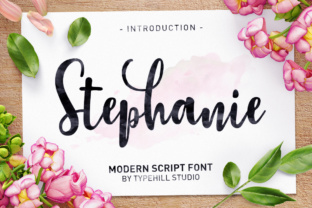
Stephanie Script: A Modern Script Font for Real Projects
Typography choices can make or break a design. When you need warmth, movement, and a handcrafted feel without sacrificing readability, script fonts are often the first place designers turn. But not all script fonts are created equal. Many feel stiff, overly uniform, or too formal for everyday use. Stephanie Script enters that gap with a refreshing approach: it’s modern, feminine, and deliberately irregular in a way that feels natural rather than chaotic. Whether you’re designing wedding invitations, building a brand identity, or crafting social media quotes, this font offers flexibility and personality that standard scripts often lack.
What Makes Stephanie Script Different
The most noticeable quality of Stephanie Script is its irregular baseline. Instead of every letter sitting perfectly on a straight line, letters rise and fall subtly, mimicking natural handwriting. This gives the typeface a relaxed, human rhythm that immediately feels approachable. It’s not sloppy—it’s intentional. Each character has its own slight variation in height and angle, which creates texture and visual interest across a line of text.
Beyond the baseline, the font includes several features that extend its usefulness. Initial and terminal letters—those decorative first and last characters—add flourish where appropriate. Alternate glyphs give you choices for certain letters, so you can customize the look of a word or headline. Ligatures connect letter pairs smoothly, preventing awkward gaps or collisions. And with multiple language support, you’re not locked into English-only projects. These details matter when you’re trying to achieve a polished, cohesive result without spending hours manually tweaking letter spacing.
Wedding and Event Stationery
This is the use case most people first think of, and for good reason. Stephanie Script carries a romantic, elegant tone without feeling overly ornate. On save-the-dates, ceremony programs, or thank-you cards, the irregular baseline adds a handmade quality that pairs well with modern minimalist layouts or more elaborate floral designs. The ligatures keep names and dates reading smoothly, and the terminal letters give names like “Emily” or “James” a graceful finish. If you’re a stationery designer or a couple planning your own materials, this font saves time by offering built-in polish.
Branding and Logo Design
For entrepreneurs, freelancers, and small business owners, logo typography needs to communicate personality quickly. Stephanie Script works well for brands in fashion, beauty, lifestyle, wedding services, and even boutique food or beverage businesses. It’s feminine but not frilly, modern but not cold. Using an alternate initial letter on a logo mark can create a distinctive lockup that feels bespoke. When paired with a clean sans-serif body font, it gives you contrast without clashing. Business cards, packaging, and website headers all benefit from the same cohesive treatment.
Greeting Cards and Personal Correspondence
In a world of digital communication, a handwritten note stands out. Stephanie Script lets you create your own greeting cards, gift tags, or letterpress-style prints with minimal effort. The font’s natural rhythm means even short messages like “thinking of you” or “congratulations” carry emotional weight. For hobbyists and creators who sell on platforms like Etsy, this font can become a reliable tool for product lines that require consistent, attractive typography across dozens of items.
Social Media Graphics and Digital Content
Marketers, bloggers, and content creators need typography that reads well on screens of all sizes. Stephanie Script holds up at larger sizes for headlines and quote graphics, where its irregular baseline adds character without becoming distracting. The font works especially well in square or vertical formats typical of Instagram and Pinterest. For educators creating presentation slides or digital handouts, using a script like this sparingly for titles or pull quotes can make materials feel more engaging and less institutional.
Practical Benefits for Everyday Users
One of the strongest arguments for Stephanie Script is how efficiently it solves common design problems. When you work with a script font that lacks alternates or ligatures, you often end up manually adjusting letter pairs or accepting awkward connections. This font reduces that friction. The built-in alternates let you avoid repetitive letter shapes—a frequent give away that a design is using a font rather than real handwriting. The ligatures handle common combinations like “th,” “ff,” and “ll” so they read naturally.
Multiple language support is another practical advantage. If you work with clients or audiences in different regions, you don’t need to switch fonts mid-project. Accented characters and extended Latin sets are included, which saves you from hunting for missing glyphs or dealing with inconsistent styling.
From a usability standpoint, the font is straightforward to install and works across major design software, web platforms, and even word processors. You don’t need advanced technical skills to get good results. Designers will appreciate the OpenType features, but even casual users can access the most useful alternates through standard character maps or font menus.
Considerations When Using Stephanie Script
No font is perfect for every situation, and Stephanie Script has its own best-use contexts. Because of its irregular baseline, it’s less suitable for long body text or dense paragraphs. The variation that makes it charming at display sizes can become tiring to read in extended passages. Reserve it for headlines, subheads, short quotes, names, and emphasis. Pair it with a neutral, readable sans-serif or serif font for body copy—this creates contrast and gives the eye a rest.
Also consider the audience and tone. While the font leans feminine and trendy, that doesn’t mean it’s limited to wedding or lifestyle work. With careful pairing and restrained use, it can work for creative agency branding, event posters, or even product packaging in markets like tea, candles, or stationery. The key is using it intentionally rather than as a default.
For print projects, test the font at the actual size you’ll use. Some scripts thin out or lose detail at smaller point sizes, especially on uncoated paper. Stephanie Script, with its contrast, generally performs well, but a quick print test saves you from surprises. For digital use, check legibility on mobile screens, particularly for smaller text like captions or button labels.
Final Thoughts on Choosing Stephanie Script
Good typography doesn’t shout. It supports your message and makes the reader’s experience smoother. Stephanie Script does that by offering a modern, feminine script with genuine handwriting character and enough technical features to handle real projects. Whether you’re designing a wedding suite, building a brand, or creating content for your audience, this font gives you room to be creative without fighting the tools. The irregular baseline, alternates, and ligatures aren’t just decorative flourishes—they’re practical features that save you time and improve the final result.
If you’re evaluating script fonts for an upcoming project, consider how much flexibility you actually need. A font that offers multiple options per character and handles common letter combinations smoothly will serve you longer than something more rigid. Stephanie Script strikes a practical balance between personality and usability, making it a strong addition to any designer’s or creator’s toolkit.