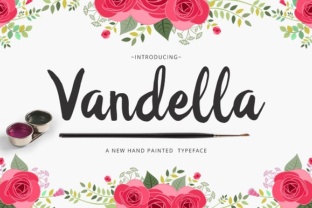
Vandella and Vandella: A Practical Guide to Using This Hand-Inked Font in Your Workflow
Typography is often treated as a decorative afterthought, but anyone who works with design, branding, or content knows that the right typeface can shift the tone of an entire project. Vandella and Vandella, a hand-inked font created by Unicode, offers something distinct: a raw, textured look that mimics real ink on paper. But beyond its aesthetic appeal, the real question is how to integrate it into a practical workflow. This article explores what Vandella is, where it fits into different processes, and how you can use it effectively without disrupting your existing systems.
What Vandella Brings to Your Typography Toolbox
Vandella is not a neutral workhorse font. It carries personality. Designed as a hand-inked typeface, it features irregular edges, varying stroke weights, and a sense of imperfection that feels deliberate. This makes it suitable for projects where you want to convey authenticity, warmth, or a crafted feel. It works well in headlines, short text blocks, logos, and any context where a human touch matters.
Because it is a Unicode font, Vandella supports a wide range of characters and languages, which means you can use it across different markets without worrying about missing glyphs. This is especially useful for international branding or multilingual content where consistency matters.
When considering where Vandella fits in a broader process, think of it as a tool for emphasis and tone rather than body text. It is not designed for long reading passages, but it excels in areas where you want to draw attention or create a specific mood.
Where Vandella Works Best in a Project Workflow
Every project has phases: planning, execution, review, and delivery. Vandella can be introduced at multiple points depending on your goals.
Before the Project: Planning and Asset Selection
During the planning phase, you are making decisions about visual direction, brand alignment, and audience expectations. Vandella should be evaluated early. Ask yourself whether the hand-inked look supports the message you want to convey. For example, if you are designing a website for a craft brewery, an indie bookstore, or a boutique service, Vandella could be a strong candidate for headings and navigation labels.
At this stage, you can also test compatibility. Check how Vandella renders on different devices and browsers. Since it is a Unicode font, it should work well across platforms, but always verify kerning and spacing in your specific design tool. Early testing prevents surprises later.
During Execution: Integration with Other Tools and Assets
When you move into design and development, Vandella interacts with your existing toolkit. It pairs well with clean sans-serif fonts for body text, creating contrast without conflict. For instance, using a simple font like Open Sans or Roboto for paragraphs and Vandella for headings keeps readability high while adding character.
In print projects, Vandella shines because the inked texture translates naturally to paper. For digital use, pay attention to size and weight. Smaller sizes may lose detail, so reserve it for larger text where the irregularities are visible and appreciated.
Vandella also works with other resources such as icons, illustrations, and photography. Because it has a handmade feel, it pairs well with organic shapes, textured backgrounds, and natural imagery. Avoid pairing it with overly polished or corporate visuals, as the contrast can feel jarring rather than intentional.
After Delivery: Quality Control and Long-Term Use
Once the project is live, monitor how Vandella performs. In digital contexts, check loading times and rendering on different screens. If you used it in a logo, verify that it remains legible at smaller sizes. For print, request proofs to ensure the ink effect reproduces correctly.
For long-term use, Vandella can become part of a brand toolkit. If you maintain brand guidelines, document where and how the font should be applied. This ensures consistency across different projects and team members.
Practical Implementation Tips
Getting the most out of Vandella requires attention to a few specifics.
- Choose the right software. Vandella works in most design applications, but vector-based tools like Adobe Illustrator or Affinity Designer give you the most control over spacing and scaling. If you are using web-based tools, confirm that the font upload process supports Unicode characters.
- Adjust spacing manually. Hand-inked fonts often have uneven letter spacing. Do not rely on auto-kerning alone. Manually adjust key pairs, especially in headlines, to improve legibility and visual balance.
- Combine with neutral colors. Let the font's texture speak by using subdued backgrounds and simple color palettes. Overly complex backgrounds can compete with the ink effect.
- Limit its use. Use Vandella for short, impactful text. A headline, a pull quote, or a call-to-action button works well. Avoid using it for long paragraphs or detailed instructions.
- Test readability. Show your design to someone unfamiliar with the project. If they struggle to read the text, adjust size or spacing, or consider using a different font for that specific element.
For a Branding Project
Imagine you are rebranding a small coffee roaster. The client wants a warm, artisanal feel. In the planning phase, you include Vandella as a candidate for the logo and packaging headlines. You test it alongside a clean sans-serif for product descriptions and pricing. During execution, you create several logo variations, adjusting the spacing to ensure the name remains legible at small sizes on bags and cups. After delivery, you provide the client with a usage guide that specifies minimum size and color combinations.
For a Blog or Newsletter
If you run a lifestyle blog, you might use Vandella for post titles and section headings. In your content management system, you upload the font and set heading styles accordingly. For body text, you choose a readable serif or sans-serif font. This combination keeps the blog visually distinctive while maintaining readability. You also test how the font looks on mobile devices, adjusting heading sizes to ensure the hand-inked detail is not lost.
For a Marketing Campaign
In a campaign for a handmade product line, Vandella could be used in social media graphics, landing page headlines, and email headers. During planning, you decide to pair it with natural textures and muted colors. In execution, you use the font sparingly—perhaps only in the main headline and the call-to-action button. After the campaign launches, you track engagement to see if the typography contributes to click-through rates or brand recall.
How Vandella Interacts with Other Decisions
Typography does not exist in isolation. Choosing Vandella affects other design choices, from color selection to layout density. Because the font has a strong personality, it often dictates the overall visual direction. If you start with Vandella, you may find yourself selecting simpler graphics and more whitespace to let the text breathe.
It also interacts with your brand's voice. A hand-inked font suggests craftsmanship, authenticity, and a personal touch. If your brand messaging is highly technical or formal, Vandella might conflict. Align your font choice with the tone of your copy.
From a technical perspective, Vandella's Unicode support makes it easier to work with multiple languages. If your audience includes non-English speakers, you can use the same font across all versions of a project without needing separate character sets. This simplifies file management and ensures visual consistency.
Long-Term Considerations
Using Vandella over time requires planning. If you build a brand around it, ensure that the font license covers your intended use, including commercial applications and web embedding. Keep a backup version of your designs in case you need to switch fonts later.
Also, consider how trends may evolve. Hand-inked fonts have enduring appeal, but design preferences shift. If you invest heavily in Vandella for a long-term project, revisit your choice periodically to ensure it still aligns with your audience's expectations.
Finally, document your typography decisions. When new team members join or when you revisit an old project, having clear notes on why you chose Vandella and how it should be used saves time and preserves consistency.
Final Observations on Using Vandella and Vandella
Vandella and Vandella is more than a decorative font. It is a tool for shaping perception. When used deliberately, it adds warmth, texture, and a sense of human effort to your work. The key is to integrate it thoughtfully into your workflow, not as an afterthought but as a deliberate choice that influences other design decisions.
Start by identifying the moments in your project where a hand-inked touch adds value. Test it early, adjust spacing, and pair it with complementary elements. Whether you are branding a business, designing a website, or creating marketing materials, Vandella can help you communicate with a more personal voice. And because it is built on Unicode, it works across languages and platforms without added complexity.
Typography is a craft, and choosing the right font is part of the process. Vandella gives you a reliable option when you want your text to feel less digital and more human. Use it where it counts, respect its limitations, and your projects will benefit from the clarity and character it brings.