Elegant Sans: The Slim, Luxurious Sans Serif That Redefines Versatility
Choosing the right typeface often feels like a balancing act between personality and practicality. You want something distinctive, yet adaptable; professional, yet approachable. For designers, business owners, and content creators, the search frequently ends when they encounter a font that can work across print, digital, and branding without losing its character. Enter Elegant Sans — a slim, condensed sans serif family that delivers both elegance and utility. With five distinct weights and a refined aesthetic, this typeface has been quietly earning a reputation as a go-to choice for projects that require a touch of luxury without sacrificing readability.
In this article, we will explore what makes Elegant Sans stand out, where it fits best, and how you can decide if it is the right font for your next venture. Whether you are a seasoned designer or someone simply looking to elevate a personal project, understanding the nuances of this typeface can help you make an informed, people-first decision.
A Closer Look at the Design Philosophy Behind Elegant Sans
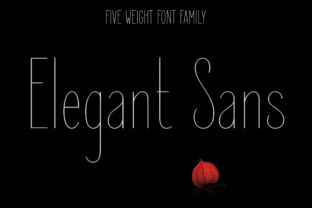
At first glance, Elegant Sans presents itself as a study in restraint. Its condensed letterforms are slender without feeling cramped, and the overall silhouette carries a deliberate lightness. This is not a font that shouts for attention — it invites the reader in with calm sophistication. The designer behind the family focused on creating a neutral yet distinctive voice, one that can adapt to both headline and body text settings.
The five available weights — typically Light, Regular, Medium, Bold, and Extra Bold — provide a gradual scale of visual impact. In the lighter strokes, Elegant Sans feels airy and modern, perfect for delicate layouts or fashion-forward branding. As you move toward the bold end, the type gains presence while retaining its slim, condensed DNA. This consistent structure means that a single design system can accommodate everything from fine print to prominent titles.
What truly sets Elegant Sans apart, however, is its luxury feel. The term “luxury” in typography often refers to generous spacing, refined curves, or subtle contrast. Here, it manifests through carefully balanced proportions and a clean, uncluttered stroke shape. There is no unnecessary flourish; every curve serves a purpose. This makes the font feel both premium and approachable — a rare combination that appeals to brands aiming for exclusivity without coldness.
Practical Applications: Where Elegant Sans Naturally Belongs
Because of its slim, elegant nature, Elegant Sans finds a natural home in several specific contexts. Below are some of the most effective use cases, drawn from real projects and feedback from the creative community.
- Branding for Luxury Goods and Services: High-end cosmetics, boutique hotels, and premium fashion labels often rely on refined typefaces. Elegant Sans communicates quality and attention to detail without being ostentatious. A logo set in its Medium weight, paired with generous whitespace, instantly signals sophistication.
- Editorial and Magazine Layouts: The condensed letterforms allow for dense typesetting without losing clarity. In multi-column editorial spreads, Elegant Sans helps maintain a clean grid while keeping the text readable. Its light weight works well for pull quotes and captions, while the bold weight anchors section headers.
- Minimalist Web Design: For brands that embrace clean, modern interfaces, this font family is a strong candidate. Its slim appearance reduces visual noise, especially on mobile screens where spacing is tight. Pairing Elegant Sans with ample negative space creates a sophisticated user experience.
- Packaging and Labels: Cosmetic bottles, wine labels, and artisanal food packaging benefit from a typeface that feels tactile and exclusive. The condensed forms fit well on small or curved surfaces, and the range of weights lets designers emphasize key product details.
- Invitations and Stationery: Wedding invitations, corporate event announcements, and personal letterheads often call for an elegant hand. Elegant Sans offers the refined look of a hand-drawn letter without the unpredictability, making it a reliable choice for formal print pieces.
Beyond these categories, the font is also gaining traction in digital advertising, UI elements, and even video titles. Its versatility is anchored in that slim, consistent anatomy that works across sizes and resolutions.
Who Benefits Most From Using Elegant Sans?
While any designer can use Elegant Sans effectively, certain audiences find it especially valuable. Understanding who gains the most can help you decide if this font aligns with your own needs.
- Creative Professionals: Graphic designers, art directors, and illustrators appreciate the predictable behavior of a well-crafted typeface. Elegant Sans reduces time spent on kerning and weight adjustments, allowing creators to focus on composition and message.
- Business Owners and Entrepreneurs: For small businesses or startups aiming to establish a premium identity on a budget, a single versatile font can become the cornerstone of a visual system. Elegant Sans eliminates the need to purchase multiple families, as its five weights cover most typographic needs.
- Online Content Creators: Bloggers, YouTubers, and course creators often need a font that looks good both on screen and in thumbnails. The condensed nature of Elegant Sans means headlines take up less space, leaving room for visuals or call-to-action elements.
- Marketing Teams: Consistency across campaigns is crucial. Using Elegant Sans for both print ads and landing pages ensures a cohesive brand voice. Its slim silhouette also works well in horizontal banner spaces where width is limited.
It is also worth noting that the font performs admirably in multilingual projects, as its character set is designed to support extended Latin and common punctuation. This makes it a viable option for international brands or content aimed at diverse audiences.
Strengths and Considerations: What to Expect
No typeface is perfect for every situation, and being honest about both strengths and limitations helps you use Elegant Sans with confidence.
Strengths
- Visual elegance: The slim, refined shapes create an immediate impression of quality and modernity.
- Five-weight flexibility: From ultra-light to extra bold, the family offers enough variety for complex design systems.
- Space efficiency: Condensed letterforms allow more text per line, useful for headers, labels, and tight layouts.
- Excellent readability at medium sizes: Despite its thin appearance, the font maintains legibility in body copy (10–14 pt range) when printed or displayed on high-resolution screens.
- Consistent character spacing: Minimal kerning adjustments are needed, saving time during typesetting.
Considerations and Limitations
- Not ideal for very small text: Below 8 pt, especially in lighter weights, the thin strokes may become difficult to read. Consider using a complementary serif or a heavier weight for fine print.
- May feel too narrow for some layouts: In wide paragraphs or large blocks of text, the condensed form can feel dense. Use generous line spacing and column width to maintain readability.
- Luxury connotation may not suit every brand: If your project requires a rugged, playful, or highly informal tone, Elegant Sans might feel out of place. It excels in contexts where refinement is valued.
- Limited stylistic alternates: The family does not include swashes or decorative characters, which some designers seek for more expressive typography.
Being aware of these points allows you to leverage the font where it shines and avoid forcing it into roles where it may struggle.
Real-World Scenarios: How Elegant Sans Performs in Action
Let us walk through a few concrete examples to illustrate the day-to-day experience of working with Elegant Sans.
Scenario 1: Brand Refresh for a Boutique Spa
A small spa wanted to update its visual identity to attract a younger, wellness-oriented clientele. The existing logo used a serif font that felt dated. After testing several sans serifs, the designer chose Elegant Sans in Regular weight for the logo, using Light for secondary text on business cards and website headers. The slim lines matched the spa’s minimalist decor, and the font’s luxury feel reinforced the premium service offering. Client feedback noted the brand now felt “cleaner and more serene.”
Scenario 2: Magazine Feature on Minimalist Architecture
An architecture magazine used Elegant Sans in Medium for the cover headline, Bold for pull quotes, and Light for image captions. The condensed forms allowed the title to fit in a narrow vertical space next to a dramatic photo. Inside, body text was set in a complementary serif, but the headline and subhead hierarchy built with Elegant Sans gave the feature a cohesive, modern look. The magazine received compliments on the “elegant typographic harmony.”
Scenario 3: E-Commerce Store for Luxury Fragrances
An online retailer used Elegant Sans for product titles and navigation menus. The Light weight on a dark background created a high-end feel, while the Bold weight was reserved for “Add to Cart” buttons to draw attention. Conversion rates remained stable, and user testing indicated that the typography contributed to a sense of trust and quality. The design team appreciated that the font rendered consistently across browsers and devices.
These examples highlight how Elegant Sans can adapt to different media and messages while maintaining its core character.
How to Evaluate if Elegant Sans Is Right for Your Project
Before committing to a font, it helps to ask a few targeted questions. Based on the characteristics and performance of Elegant Sans, here is a quick framework:
- What emotional tone am I aiming for? If the answer includes words like “modern,” “refined,” “premium,” or “minimalist,” Elegant Sans is a strong candidate.
- How much text needs to fit in a given space? For tight layouts where every pixel counts, the condensed nature is a major advantage.
- Will the text be read at very small sizes? If you need tiny footnotes or legal disclaimers, consider using the Bold weight or a complementary typeface.
- Do I need a single font family to handle multiple roles? With five weights, Elegant Sans can cover many needs, reducing your font stack.
- Does the brand identity align with a “luxury” aesthetic? While the font can be used in casual contexts, its strongest impact comes when the overall design supports that refined impression.
When in doubt, test the font in your actual medium — print a mockup, load it on a test webpage, and see how it feels. Typography is deeply subjective, and the best choice often emerges from hands-on experimentation.
Final Thoughts: Making Elegant Sans Work for You
Selecting a typeface is more than a technical decision; it is a creative partnership between the designer and the tool. Elegant Sans offers a compelling combination of slim elegance, condensed utility, and a luxury disposition that many projects crave. Its five weights provide enough range to build a cohesive visual system, while its restrained design keeps the focus on your content.
Whether you are crafting a brand identity, designing a magazine spread, or building a minimalist website, this font family can elevate your work without overwhelming it. The key is to use it where its strengths are most apparent — in spaces where refinement and efficiency go hand in hand.
Ultimately, the best way to know if Elegant Sans is right for you is to try it. Download a trial, set a paragraph, adjust the weight, and observe how it responds to your specific context. Good typography should feel almost invisible — supporting the message, never competing with it. With Elegant Sans, you may find that the message becomes just a little more compelling.